How to Build a Consistent Visual Identity That Clients Remember


Your visual identity is more than just design—it’s the first impression clients have of your business. In the luxury space especially, consistent colors, typography, and imagery aren’t simply about looking polished, they signal professionalism, build trust, and make your brand instantly recognizable. When done right, your visual identity turns casual viewers into loyal clients who remember you every time.

When you operate in the luxury space, your brand isn’t just a logo – it’s a promise. A consistent visual identity helps your brand become instantly recognizable and fosters trust and loyalty among high‑end clients. Inconsistent branding, on the other hand, confuses prospects and can dilute your message. Here’s how to build a cohesive visual identity that your clients will remember.

Why Consistency Matters

  • Improves recognition and trust. Branding consistency means using the same design and messaging elements every time you present your business. A potential client needs multiple impressions to remember your brand, and those impressions must be consistent to be effective.
  • Prevents confusion. When prospects see your logo in different colors or fonts, they question whether they’ve found the right company.
  • Builds familiarity and credibility. People are more likely to choose a brand they recognize, and consistent visuals create a sense of familiarity and trust.

Steps to a Memorable Visual Identity

Develop a Cohesive Brand Guide

A brand guide collects your logo files, color codes, typography guidelines and voice standards in one place. This ensures everyone—from your internal team to external partners—uses the same assets and tone. Include examples of how to combine the logo with your tagline (also known as a “lock‑up”) and set up templates for presentations, social media posts, proposals and other collateral.

Choose Your Core Visual Elements

  • Logo and Logotype: Stick to a single logo or wordmark and typeset it consistently.
  • Color Palette: Select a primary and secondary palette and use them across all touchpoints. For luxury brands, neutral tones with a refined accent color convey elegance. ATRIUM’s palette, for example, uses rich dark brown (#262018), light neutrals (#F2F0EB), and soft metallic accents (#A69886) with muted gold (#735E38) and cool gray (#80898C).
  • Typography: Limit yourself to a couple of typefaces and use them consistently in print and digital media.
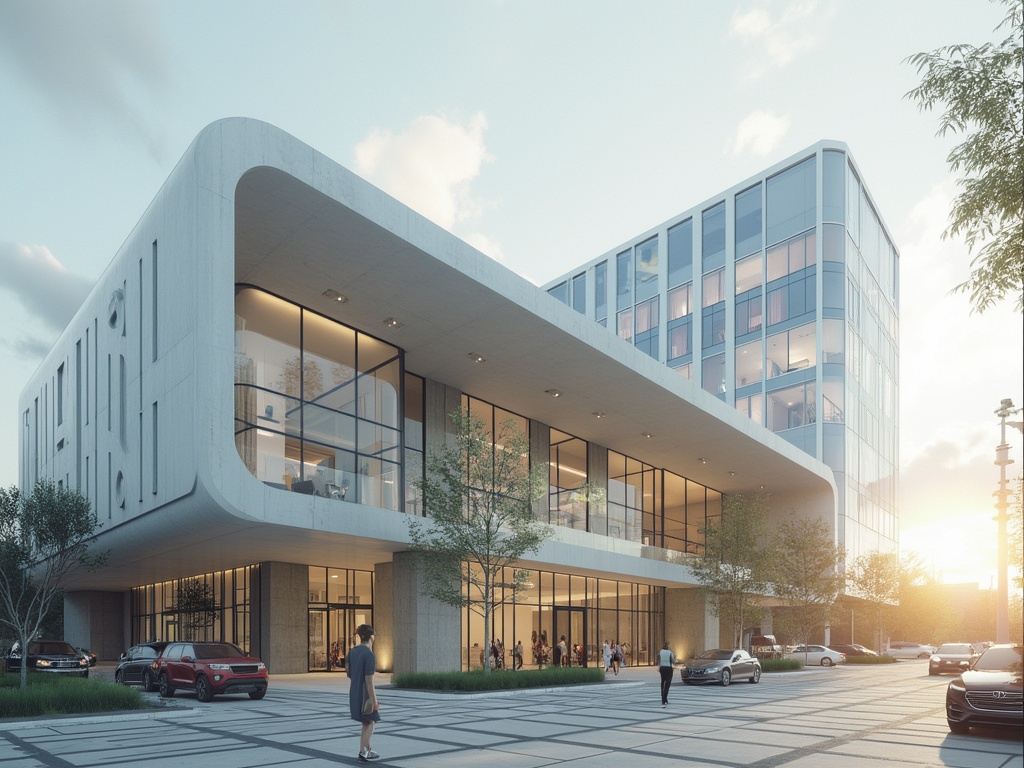
  • Imagery: Decide on a photographic style that matches your brand (e.g., cinematic renderings, fine‑art inspired photography) and use it throughout your website, presentations and social channels.

Establish Voice and Tone

Visual identity goes hand‑in‑hand with messaging. Define a clear voice—formal or informal, modern or classic—and stick with it. Establish grammar rules (such as title vs. sentence case and Oxford comma usage) and standardize the way you write your company and product names.

Maintain Consistency Across Platforms

Consistency must extend beyond your website to all branded touchpoints—business cards, proposals, social posts, email templates and advertising. Create templates for frequent assets like social media posts and proposals so that your visuals always align. Share your brand guide with partners, contractors and marketing agencies to keep them on the same page.

Keep Evolving, But Stay Recognizable

Refreshing your brand doesn’t mean starting over. You can modernize your visuals while preserving the core elements that clients recognize. As your business grows, update your brand guide to reflect new offerings and ensure your visuals stay aligned with your evolving strategy.


Consistency doesn’t happen by accident. Start by creating your brand guide and share it with everyone who touches your brand. When every piece of communication—from renderings to proposals—looks and sounds like you, your clients will remember you for all the right reasons.

Case Study: Why Proper Google Ads Setup Matters (and How We Saved a Client $70K)

When a new client came to us asking for help with their digital advertising, we didn’t expect to uncover a ticking time bomb.

Their Google Ads account was a mess:

  • Multiple accounts created over time

  • Too many admin users with full access

  • Zero centralized control or security protocols

Just gaining access was a challenge. But once we got in, we discovered something worse—ads had been running unchecked, spending nearly $6,000 per month, far beyond the client’s intended budget.

Then It Got Worse…

Shortly after we were granted access, the account was hacked. Because there were so many admin-level users, someone had unknowingly left the door wide open. Three malicious ads were launched and racked up an astonishing $70,000 in ad spend in just three days.

Thankfully, we caught it fast. We escalated the issue to Google’s IT and billing teams, launched a full investigation, and after multiple rounds of follow-up, secured a full refund for the client.

Meanwhile, we acted quickly behind the scenes—spinning up a backup strategy and re-launching new ads from a clean secondary account to keep leads flowing during what happened to be one of the busiest seasons for their business.

✅ The result: no lost momentum. And $70K back in their pocket.

The Real Problem? It Wasn’t the Ads.

Everyone loves to talk about keywords, headlines, or ad copy. And yes, those are important. But what really makes or breaks your marketing?

The setup.

✔️ How your accounts are structured
✔️ Who has access to what
✔️ What platforms are connected
✔️ Where your data is stored
✔️ Whether you’re protected

This goes far beyond Google Ads—it applies to your entire digital presence:

  • Social media

  • Website hosting

  • Domains

  • Email marketing

  • Analytics

  • CRM platforms

  • Design tools

  • Even your file sharing systems

We Make It Easy (Like, Really Easy)

Let’s be honest: Most business owners don’t have time to manage ten different logins or hunt down a password buried in an email from 2021.

So, we simplified it.

When you work with ATRIUM, we use a secure integration tool that allows us to access everything we need to run your marketing—with just one click. No more spreadsheets of usernames and passwords. No more bouncing between platforms.

Just a secure, streamlined handoff… and peace of mind.


Final Takeaway

A strong strategy starts with a strong foundation. That means more than smart targeting—it means smart setup, security, and account control. Whether you’re running ads, building a site, or launching a new brand, we’re here to make sure nothing falls through the cracks.

Because saving you $70,000? That’s just the start.

How to Get More Clients Without the Marketing Headaches

I was talking to one of our clients last week. He’s been running his architecture firm for 25 years, and he looked exhausted. “Diego,” he said, “I feel like I’m shouting into the void. Everyone says I need to be online, but I have no idea where to start. Do I really need to be dancing on TikTok to get clients?”

If you’re a seasoned professional—maybe you’re an architect like Jim, a consultant, or a small business owner—and you’re scratching your head about this whole “getting clients online” thing, you’re definitely not alone. And here’s the relief you’ve been waiting for: you absolutely do NOT need to go viral on TikTok.

Your Website: It’s Your Digital Storefront

Now, instead of people driving by your office, they Google you. If your site looks dated or confusing, it’s an instant “no thanks.” Your site doesn’t need to win awards, it just needs to make people feel like you’re legit.

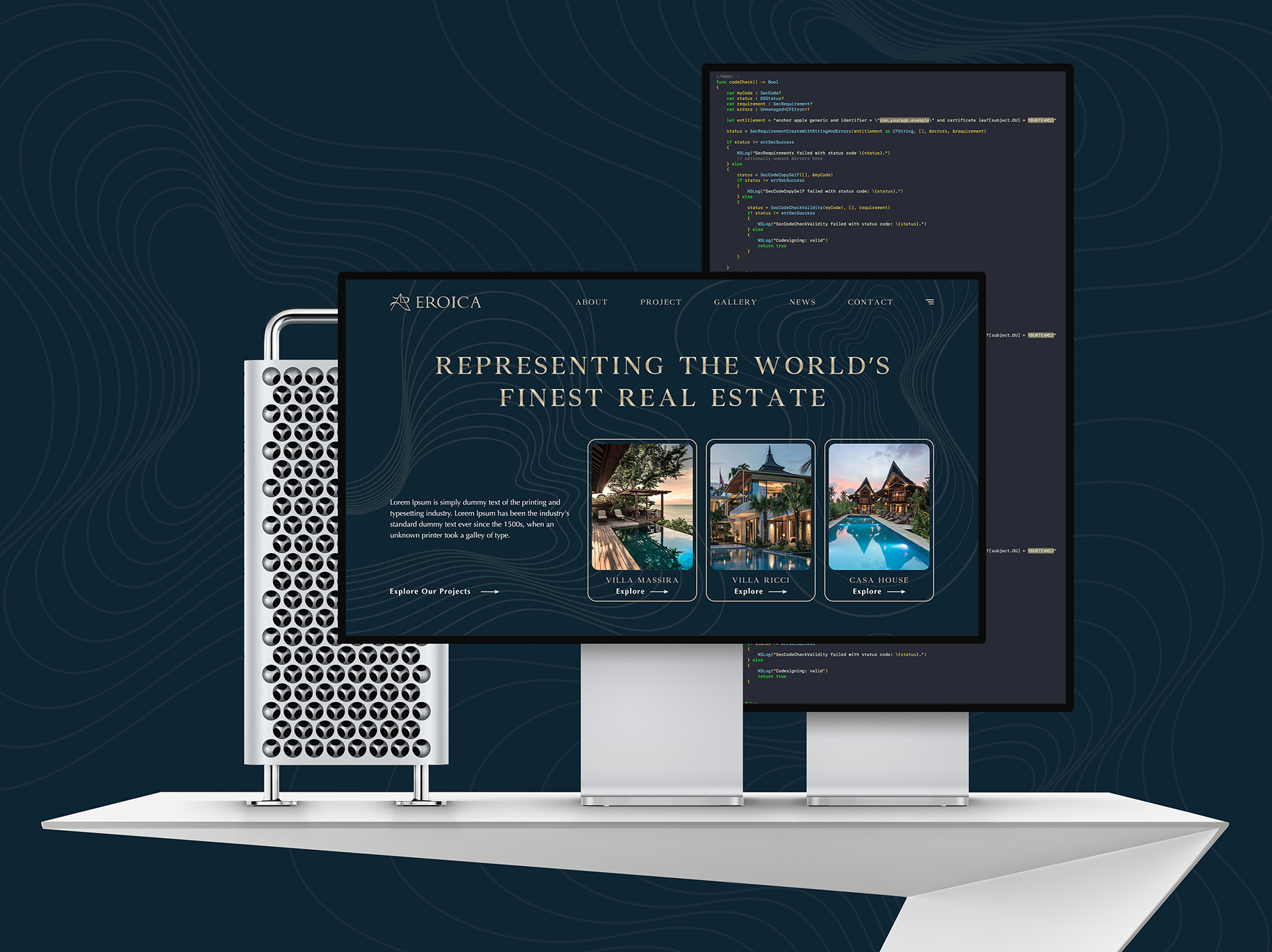
We build clean, trustworthy websites starting at $1,800. Add SEO setup ($1,500) and people actually find you when they search “architect near me.” Add branding if your logo’s stuck in the ’90s.

Website Design

Google Ads: High-Intent Leads, No Cold Calling

Think of it like this: instead of calling strangers, your name shows up *exactly when someone searches for what you offer*. Our Google Ads plans start at $500/month, and most clients see 3–6x ROI in just a few months.

We don’t “set and forget.” We tweak ads every week to get better leads and lower costs. Basically, it’s like hiring a smart sales assistant who never sleeps.

Trust Still Sells—Only Now It’s Online

People don’t just call anymore. They read reviews, check your site, stalk your testimonials. We help you turn past client wins into scroll-stopping case studies that build trust fast. And if writing isn’t your thing, we’ll handle it.

Social Media: For Visibility, Not Virality

No, you don’t need TikTok. For most 60+ professionals, LinkedIn and Facebook are perfect. We create, design, and schedule your posts for $1,500/month—including one boosted ad to get you noticed.

You approve everything before it goes live. And no, you don’t have to log in and figure it all out. We do the heavy lifting.

Google Ads

Email: Still the Underdog MVP

Email is low-key one of the best ways to stay visible. Build a small list of past clients, leads, and referrals. Send a quick monthly tip or success story. We can write and design these for you, so you don’t stare at a blinking cursor.

Real Talk: You Don’t Have to DIY This

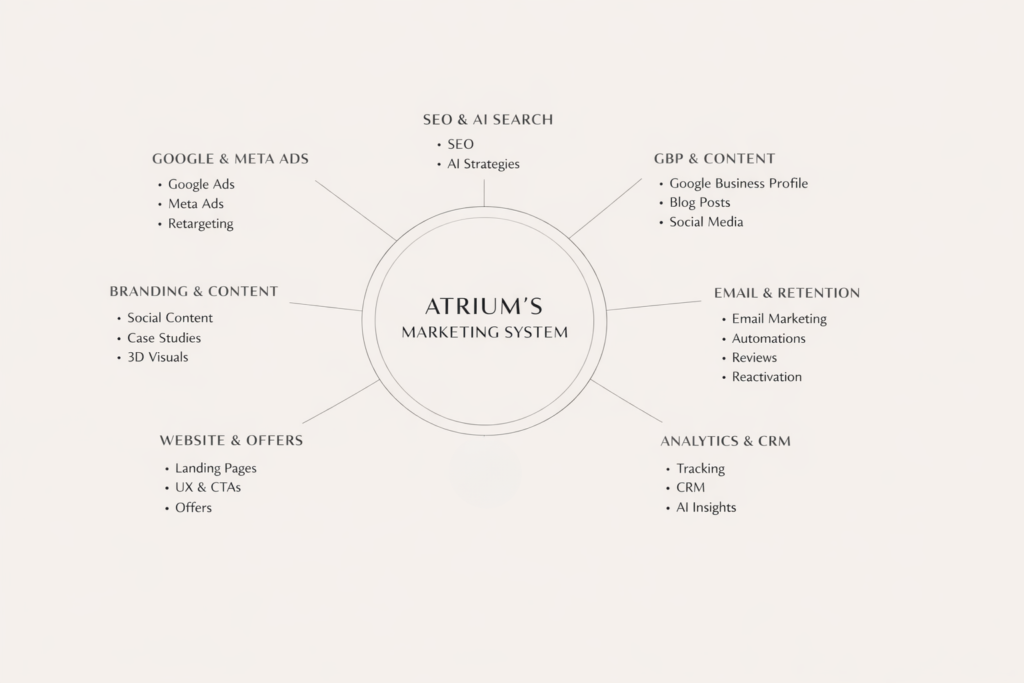
You didn’t start your business to become a digital marketing guru. We get it. At ATRIUM, we act like part of your team. From websites and branding to ads and content, we make sure your digital game actually works—and makes sense.

Ready to stop shouting into the void? Let’s talk.

Book a Free Strategy Call

Building a Strong Identity: Branding Strategies for Architects

Branding for architects is a powerful tool for building trust and fostering connections with clients. In today’s competitive market, a well-crafted brand identity can set firms apart, communicating reliability and design philosophy while driving substantial business growth.

Key Takeaways:

  • 81% of consumers require brand trust before considering a purchase
  • Strong branding can boost brand growth by 20%
  • User-generated content is 50% more trusted than traditional media
  • 90% of architecture firms have 1-50 employees
  • Effective branding strategies leverage digital platforms and AI tools

The Power of Branding in Architecture

In the architecture industry, branding goes beyond logos and color schemes. It’s about creating a lasting impression that resonates with clients and sets your firm apart. With 81% of consumers needing to trust a brand before making a purchase, architects must focus on building credibility through their branding efforts.

A strong brand identity can communicate your firm’s values and design philosophy effectively. This connection is crucial, as 57% of consumers prefer companies they feel connected to over competitors. By investing in branding, architectural firms can increase their growth potential by up to 20%, making it a vital component of business strategy.

Navigating Economic Challenges Through Branding

The architecture industry has faced its share of economic hurdles. The Architecture Billings Index (ABI) has been below 50 for 27 of the last 30 months as of March 2025, indicating a contraction in billings. However, recent stabilization in commercial property values and interest rates provides a glimmer of optimism for the coming year.

With an average project backlog of 6.5 months, firms have a runway to focus on brand-driven marketing efforts. This period presents an opportunity to strengthen client relationships and attract new business through strategic branding initiatives. By showcasing reliability and expertise during challenging times, firms can build lasting trust with clients.

Effective Branding Strategies in the Digital Age

In today’s digital landscape, architects must adapt their branding strategies to stand out. User-generated content has become a powerful tool, being 50% more trusted and 20% more influential than traditional media. Firms should leverage digital platforms to share testimonials, project stories, and behind-the-scenes insights.

To create a strong visual brand, incorporate design principles such as emphasis, proportion, and hierarchy. Focus on visual platforms like Instagram and LinkedIn for portfolio showcasing. Here are some key strategies to consider:

  • Use storytelling to highlight unique project experiences
  • Showcase your design process through time-lapse videos or sketches
  • Share client testimonials and project outcomes
  • Utilize AI tools for rendering and project management

One-third of firms are actively using AI for various tasks. Key software tools in the industry include Revit, AutoCAD, SketchUp, Bluebeam, and Material Bank. Integrating these tools into your branding narrative can demonstrate your firm’s technological proficiency and innovation.

Branding’s Role in Talent Attraction and Business Growth

Branding isn’t just about attracting clients; it’s also crucial for talent acquisition. With 90% of architecture firms having 1-50 employees, standing out as an employer is vital. A strong brand can position your firm as a desirable workplace, attracting top talent in a competitive market.

Interestingly, women’s salaries in architecture grew faster than men’s in 2025, highlighting the industry’s progress in gender equality. Firms can use this trend in their branding to showcase their commitment to diversity and inclusion.

To measure the impact of branding on business growth, track metrics such as the ABI and new contract values. The Monograph’s 2025 Benchmarks Report provides valuable industry standards for comparison. By focusing on consistent branding and showcasing your firm’s unique value proposition, you can drive business growth and establish a strong market position.

Sources:
American Institute of Architects (AIA): Will the 2025 economy improve for architects?
Emulent: 2025 State of Marketing Report for the Architecture & Design Industry
American Institute of Architects (AIA): ABI March 2025: Business conditions at architecture firms stabilize
Blacksmith Agency: Branding Statistics
Monograph: Monograph Releases 2025 Salary and Business Benchmarks for Architects & Engineers
ThinkLab: 2025 US Design Industry Benchmark Report
Toptal: Principles of Design
Bespoke Careers: Architecture and Design Market Report 2025

The Importance of High-Quality 3D Renderings in Architecture

In the world of architecture, the ability to visualize a project before it is even built is crucial. This is where architectural 3D renderings come into play. High-quality renderings not only allow architects to showcase their designs to clients and stakeholders but also aid in the decision-making process. As an architectural rendering company, we believe that collaborating with us can significantly enhance the effectiveness and efficiency of the architectural design process. Let’s explore why architects need high-quality renderings and how working with our company can be beneficial for them.

Captivating Visual Communication

Architectural renderings serve as a powerful tool for communication between architects, clients, and stakeholders. They provide a virtual representation of the project, allowing everyone involved to better understand the design intent. By working with our architectural rendering company, architects can achieve renderings that captivate the viewer and effectively convey the essence of the design. Our skilled team of artists and designers ensure that every detail is accurately portrayed, resulting in stunning and visually appealing renderings.

Making Informed Design Decisions

Design iterations are a fundamental part of the architectural design process. High-quality renderings enable architects to evaluate different design options and make informed decisions. By collaborating with our architectural rendering company, architects can receive accurate and realistic renderings that help them envision the project in its entirety. These renderings provide insights into space utilization, material selection, and lighting conditions, allowing architects to refine their designs and create spaces that truly meet the needs and expectations of the clients.

Gaining a Competitive Edge

In today’s competitive architectural industry, it is crucial for architects to stand out and differentiate themselves from the competition. High-quality renderings can serve as an effective marketing tool, enabling architects to showcase their designs in the best possible light. By partnering with our architectural rendering company, architects can benefit from our expertise in creating photorealistic renderings that leave a lasting impression. Our renderings can be used in portfolios, presentations, marketing materials, and online platforms to attract clients, investors, and potential collaborators.

Saving Time and Resources

Creating physical models or building prototypes can be time-consuming and expensive. High-quality renderings offer a cost-effective alternative that allows architects and developers to visualize their designs without the need for physical construction. By working with Atrium Visual Studio our clients can save time and resources by eliminating the need for costly physical models. Our renderings can be produced quickly and efficiently, helping aour customers stay on schedule and within budget.

Final Thoughts

In the world of architecture, high-quality renderings have become an indispensable tool for architects and designers. They help communicate design intent, aid in decision-making, and strengthen marketing efforts. By collaborating with Atrium Visual Studio, architects and real estate developers can ensure that their renderings are visually stunning, accurate, and realistic. We are committed to providing top-notch renderings that fulfill the needs and exceed the expectations of our clients. So why settle for anything less when you can work with an architectural rendering company that prioritizes quality and excellence? Contact us today and let us bring your architectural visions to life!

Branding for Architects and Why You Should Have a Media Kit

In today’s digital age, architects must go beyond their design capabilities and showcase their work effectively. One powerful tool that can help architects stand out and establish a strong professional presence is a media kit. A well-crafted media kit can serve as a comprehensive portfolio, a marketing tool, and a means of communication with clients, colleagues, and the media. As markets become more saturated and pressure rises for brands to be more than just a nice logo, there has become a need for a way to package and present a brand’s story and practical information in a way that is professional, convenient, and eye-catching. Let’s explore some key reasons why architects need a media kit and how it can benefit their careers.

Showcasing your Expertise

As an architect, your work speaks volumes about your skills and capabilities. A media kit allows you to present your portfolio of projects, highlighting your expertise and design aesthetic. By including high-quality images, descriptions, and background information about each project, you can effectively demonstrate your creative approach, problem-solving skills, and attention to detail. A media kit acts as a digital showcase of your work, allowing potential clients and collaborators to gain a deeper understanding of your design philosophy and abilities.

Building Credibility and Trust

In any professional field, credibility and trust are essential. A media kit can help you establish yourself as a reputable architect by including elements that showcase your qualifications and achievements. This may include your educational background, certifications, awards, publications, and testimonials from satisfied clients. By providing concrete evidence of your capabilities and accomplishments, a media kit helps build trust and confidence in your abilities, increasing the likelihood of securing new projects and collaborations.

Enhancing Networking Opportunities

Networking plays a crucial role in the architecture industry. Whether you’re attending industry events, conferences, or connecting with potential clients online, a media kit can significantly enhance your networking opportunities. By including your contact information, social media handles, and a clear call-to-action, you make it easy for others to connect with you. Additionally, by providing a downloadable and printable version of your media kit, you can leave a lasting impression on those you meet, ensuring they have a tangible representation of your work

to refer back to.

Prospective Clients

Your media kit can be your greatest selling tool since it can captivate and engage potential clients.This is your chance to create a captivating selling tool that showcases your unique brand and work. By incorporating professional photos, well-written copy, and on-brand design, you can craft a media kit that not only informs but also persuades. This comprehensive resource should include all the necessary information about credentials, process, and pricing, infused with a healthy dose of personality. Just as you would meticulously prepare for an in-person presentation or an introductory sales pitch, investing equal care into crafting your media kit is vital. Even if the prospective client never visits your social media accounts or your website, they should walk away armed with all the information they need to wholeheartedly embrace your services.


What to Include in Your Media Kit- Branding for Architects?

Now that you see the value of having a media kit, here’s the breakdown of what you should include:

Professional Photos

This is a must have. If you are an architect, you need high-quality, consistent, beautiful photos or 3D renderings of your projects. It’s an investment, but it’s nearly impossible to market your services without them. This is just another place where their presence is essential.

Brand Story ( Branding for architects)

Branding is probably the best way to a captive an audience. Use this as an opportunity to share your background, credentials, your best work, and what makes you different from your competitors (Hint: Atrium Visual can help you with that)

Testimonials

In a service-driven industry, reviews are extremely important. Share a few of your favorite client quotes that highlight your expertise and will get potential clients excited to work with you.

Process Breakdown

It’s important to explain your process, so that your potential clients know what to expect. This shows that you are professional and organized.

Explanation of Value

List out what your client receives from working with you, being as thorough as possible. Every client wants to feel like they’re getting a great value for their investment.

FAQs
Addressing the frequently asked questions can be a helpful way to save time on your client process.


Team Bios
Include a little introduction to your team, even if it’s just you. This is another important part of branding, remember your visual image should be cohesive and maintain the same quality through out all platforms and in all points of contact with your client.

Atrium Visual can help you create beautiful portraits that are an extension of your brand.


Why Your Google & Meta Ads Aren’t Converting (And How to Fix Them)

Struggling to get leads from your real estate ads? Learn the common mistakes in Google & Meta Ads for Real Estate and discover how to create high-converting ads that actually sell.

Why Aren’t Your Google and Meta Ads Working?

You’ve spent money on Google and Meta (Facebook/Instagram) ads, expecting a steady flow of leads. But instead of conversions, all you get are clicks that don’t translate into inquiries or sales. Sound familiar?

Real estate marketing is highly competitive, and simply running ads isn’t enough. The key to success lies in targeting the right audience, crafting compelling creatives, and optimizing every step of your campaign. Let’s break down the most common mistakes and how to fix them.


1. Poor Targeting: Reaching the Wrong Audience

One of the biggest reasons your Google & Meta Ads for Real Estate ads aren’t converting is that they’re being shown to the wrong people.

Common Targeting Mistakes:

  • Too broad an audience – Casting too wide a net wastes ad spend on people who aren’t serious buyers.

  • Ignoring location-based targeting – Real estate is local, but many campaigns fail to set precise geographic targeting.

  • Not leveraging lookalike audiences – If you’re not using data from past clients and interested buyers, you’re missing a major opportunity.

Fix It:

  • Use detailed audience targeting based on demographics, behaviors, and interests.

  • Set location-based targeting to focus on buyers in specific cities, neighborhoods, or regions.

  • Utilize lookalike audiences to reach people similar to those who have engaged with your brand before.

2. Weak Ad Creatives: Your Ads Aren’t Catching Attention

Real estate is a visual industry. If your ads blend into the feed, they won’t grab attention or drive conversions.

Common Creative Mistakes:

  • Low-quality images or generic stock photos

  • Text-heavy graphics that overwhelm viewers

  • Boring headlines that don’t highlight the property’s unique value

Fix It:

  • Use high-quality, eye-catching visuals, including professional photos and 3D renderings.

  • Keep ad copy concise and compelling.

  • Test different creatives to see what resonates best with your audience.

3. Misaligned Messaging: Your Ads Don’t Match Buyer Intent

Your ad messaging needs to speak directly to your audience’s needs. If it’s vague, confusing, or misaligned with your landing page, you’ll lose potential buyers.

Common Messaging Mistakes:

  • Focusing on features instead of benefits – Buyers care about how a home fits their lifestyle, not just square footage and amenities.

  • Inconsistent messaging – If your ad says “Luxury Condos Under $500K” but the landing page shows higher prices, users will bounce.

  • Lack of urgency – Without a clear call-to-action (CTA), users won’t feel compelled to take the next step.

Fix It:

  • Write ad copy that emphasizes lifestyle benefits (e.g., “Imagine waking up to a breathtaking skyline view every morning!”).

  • Ensure consistency between ad content and the landing page.

  • Use strong CTAs like “Schedule a Tour Today” or “Limited Units Available – Act Now!”

4. Your Landing Page Isn’t Optimized for Conversions

Even if your ad is perfect, a poorly designed landing page can kill conversions.

Common Landing Page Mistakes:

  • Slow load times – A delay of just a few seconds can drive potential buyers away.

  • Too much information – Overloading visitors with text and options creates decision fatigue.

  • No clear call-to-action – If there’s no easy way to contact you or book a viewing, users won’t convert.

Fix It:

  • Ensure fast-loading, mobile-friendly pages.

  • Keep forms simple – only ask for essential details.

  • Use prominent CTAs like “Book a Showing” or “Download Brochure.”

5. You’re Not Tracking or Testing Your Ads

Running ads without tracking results is like shooting in the dark. If you’re not analyzing performance data, you won’t know what’s working and what’s not.

Fix It:

  • Use Facebook Pixel and Google Analytics to track conversions.

  • A/B test different ad creatives, headlines, and CTAs to optimize performance.

  • Monitor cost-per-click (CPC) and conversion rates to adjust strategy accordingly.

How ATRIUM Can Help Optimize Your Real Estate Ads

At ATRIUM, we specialize in creating high-converting marketing strategies for real estate developers, architects, and designers. Our services include:

  • Custom Ad Campaign Strategy – We target the right audience with the right message.

  • Premium 3D Renderings & Visuals – Stunning images that make properties stand out.

  • Landing Page & Website Optimization – Ensuring your digital presence drives results.

Get a Free Ad Audit!

Not sure why your ads aren’t converting? Let us take a look! Claim your free ad audit today, and we’ll identify key areas for improvement to help you maximize your ad spend.

Your Google and Meta ads can generate high-quality leads—if they’re done right. By improving targeting, enhancing creatives, and optimizing landing pages, you can turn your ad spend into actual sales.

Rendering Tech Is Evolving—But Are Small Firms Being Left Behind?

Rendering technology is evolving rapidly, but is it leaving small firms behind? Discover what’s worth investing in, key trends, and how outsourcing can level the playing field.

Keeping Up With Rendering Tech: A Challenge for Small Firms

If you’re an architect or designer running a small firm, you’ve probably noticed how fast rendering tech is changing. AI-assisted tools, real-time rendering, and ultra-realistic visuals are becoming industry norms. But with high costs, steep learning curves, and constant updates, it’s easy to feel like you’re falling behind.

New software promises faster results, but mastering these tools requires time and investment. Meanwhile, larger firms with dedicated teams can quickly adopt and integrate cutting-edge tech, making competition even steeper for smaller players.

The good news? You don’t have to invest in every new tool to stay competitive. Let’s break down what’s worth your time and money—and how outsourcing rendering support can help you compete with the big firms.

The Tech Race: What’s New and What’s Noise?

The rendering industry is evolving rapidly, with new software, AI-driven tools, and real-time rendering technology making headlines. But not all innovations are worth the investment. Small firms must carefully assess which advancements bring real value versus those that are just hype.

Key Developments to Watch:

  • AI-Driven Rendering Tools: Automation of lighting, material application, and scene optimization to speed up workflows.

  • Real-Time Rendering: Faster visualization tools like Twin motion and Unreal Engine streamline client feedback and design iterations.

  • Cloud-Based Rendering: Reduces hardware limitations by offloading processing power to external servers.

  • Virtual Reality (VR) & Augmented Reality (AR): While still emerging, these technologies offer exciting opportunities for immersive client presentations.

What’s Just Noise?

  • Expensive One-Size-Fits-All Solutions: Some rendering suites are overkill for small firms.

  • Trend-Based Features: Just because a feature is new doesn’t mean it’s necessary for every project.

  • Overcomplicated AI Promises: AI tools are evolving, but they are not yet a substitute for human creativity and expertise.

What’s Worth the Investment?

Not every new piece of software is essential for your firm. Instead of chasing trends, focus on key investments that improve efficiency and quality without breaking the bank.

1. Essential Rendering Software

  • Must-Have: Reliable rendering software like V-Ray, Corona Renderer, or Lumion. These offer high-quality results without overwhelming complexity.

  • Nice-to-Have: AI-assisted tools (such as Enscape) that speed up workflow but require adaptation.

2. Hardware Upgrades That Matter

  • A high-performance GPU (graphics card) is crucial for faster rendering times.

  • More RAM and processing power can significantly improve efficiency, reducing lag and boosting productivity.

The Cost Challenge for Small Firms

Investing in the latest rendering technology comes with significant financial challenges. Small firms must consider:

  • High Upfront Software Costs: Licensing fees for premium rendering tools can be prohibitive.

  • Expensive Hardware Upgrades: Advanced rendering engines require powerful GPUs, additional RAM, and high-performance CPUs.

  • Ongoing Training and Learning Curves: Time spent learning new software means less time for billable work.

  • Subscription and Maintenance Fees: Many tools require ongoing costs that add up quickly.

For small firms, these expenses can limit profitability and stretch budgets thin, making it crucial to prioritize cost-effective solutions.

Where AI and Real-Time Rendering Really Fit In

AI and real-time rendering promise to revolutionize architectural visualization, but how practical are they for small firms?

AI in Rendering:

  • Automates tedious tasks like lighting adjustments and texture refinements.

  • Reduces rendering times by optimizing settings intelligently.

  • Helps generate concept visuals quickly for client discussions.

Real-Time Rendering:

  • Allows for live updates to models and instant visualization of changes.

  • Speeds up feedback loops and design decision-making.

  • Enhances presentations with interactive 3D models.

The Catch:

  • These technologies still require powerful hardware or cloud services.

  • The learning curve can be steep.

  • AI tools are best used as assistants, not replacements for human expertise.

Simple Ways to Stay Competitive Without Burning Out

Small firms can stay ahead without overcommitting to expensive technology by focusing on:

  • Prioritizing Essential Tools: Stick with high-quality rendering software like V-Ray, Corona, or Lumion that fit your workflow.

  • Utilizing Cloud-Based Rendering: Save on hardware costs while accessing top-tier rendering power.

  • Outsourcing When Needed: Offload rendering tasks to experts when workloads spike.

  • Investing in Smart Training: Focus on tools that will have the biggest impact on efficiency.

  • Leveraging Free and Affordable Resources: Many platforms offer trial versions or lower-cost plans for small businesses.

Why Outsourcing Levels the Playing Field

Outsourcing your rendering needs can be a game-changer, allowing you to:

  • Access high-quality visuals without investing in expensive tools.

  • Free up time for design work and client meetings.

  • Stay flexible with scalable rendering support for different project sizes.

  • Compete with larger firms by delivering top-tier presentations without the in-house costs.

How Partners Like ATRIUM Can Fill in the Gaps

Navigating rendering advancements doesn’t have to be overwhelming. By partnering with visualization experts like ATRIUM, small firms can:

  • Get high-quality 3D renderings without investing in expensive software.

  • Save time and reduce workloads by outsourcing complex rendering tasks.

  • Stay flexible and scalable with on-demand visualization support.

  • Compete with larger firms by delivering top-tier visual presentations without the overhead costs.

At ATRIUM, we help small firms compete by delivering high-end 3D renderings, 360° visualizations, and branding support—without the stress of managing in-house rendering. Whether you need a single rendering or ongoing visualization support, we provide tailored solutions that fit your workflow and budget.

Final Thoughts: Smart Choices for Small Firms

Keeping up with rendering tech doesn’t mean chasing every new trend. Instead, focus on tools that genuinely enhance your workflow. If the costs of new software and training feel overwhelming, outsourcing can bridge the gap—giving you access to cutting-edge technology without the headaches.

Success isn’t about having the latest tools; it’s about delivering quality work efficiently. By making smart choices, your small firm can remain agile, competitive, and ready to take on bigger projects with confidence.

Want high-quality renderings without the hassle? Let’s talk!

The Hidden Costs of a Weak Brand: Why Your Real Estate Project Isn’t Selling?

Poor branding can cost real estate developers millions in lost sales. Discover how weak logos, inconsistent messaging, and unprofessional websites drive potential buyers away—and how to fix it.

Is Your Brand Holding Your Project Back?

In real estate, first impressions matter. The moment a potential buyer or investor sees your project, they’re already forming opinions. But what if your brand isn’t sending the right message? A weak brand—whether it’s an unpolished logo, inconsistent messaging, or an outdated website—can create doubt and hesitation, leading to lost sales and missed opportunities.

Branding isn’t just about aesthetics. It’s about trust, credibility, and value. A strong, professional brand signals to buyers that your project is worth their investment. On the other hand, a poorly executed brand can make even the best real estate developments struggle to gain traction.

Let’s break down the hidden costs of a weak brand and what you can do to fix it.

1. Poor Branding = Lost Sales Opportunities

Imagine a high-end residential development with stunning architecture and premium amenities. But when a potential buyer visits the website, they find blurry images, outdated design, and inconsistent messaging. The disconnect between expectation and presentation is enough to make them move on to a competitor.

How Real Estate Branding Affects Sales::

  • Unprofessional Logos & Design – A low-quality or generic logo undermines the perceived value of your project.

  • Weak Online Presence – A poorly designed website with slow load times or outdated content creates doubt.

  • Inconsistent Messaging – Mixed branding across marketing materials confuses potential buyers.

The Cost:

  • Buyers lose confidence in your project’s quality.

  • Delays in sales as potential buyers hesitate.

  • Increased marketing expenses to compensate for weak branding.

2. Investors and Buyers Trust Strong Brands

Branding isn’t just about making something look good—it’s about building trust. Developers often focus on the physical aspects of their projects (location, architecture, amenities) but forget that perception plays a massive role in attracting investors and buyers.

What Builds Trust?

  • A Cohesive Visual Identity – Professional logos, typography, and color schemes that reflect quality.

  • A Strong Online Presence – An updated website, engaging social media, and clear messaging.

  • Consistent Brand Voice – Every touchpoint, from brochures to email newsletters, should reinforce your project’s unique value.

The Cost of Ignoring This:

  • Investors may perceive your project as unorganized or risky.

  • Buyers may assume lower quality and look elsewhere.

  • You may struggle to build momentum, leading to longer sales cycles.

3. Your Website and Marketing Materials Are Your Digital Storefront

Your website and marketing materials should work as your best salespeople. If they’re outdated, slow, or uninspiring, you’re turning away potential buyers before you even get a chance to pitch.

Signs Your Website Is Costing You Sales:

  • Slow Load Times – 40% of users abandon a website if it takes more than 3 seconds to load.

  • Lack of Mobile Optimization – Over 60% of website visits come from mobile devices.

  • Low-Quality Visuals – If your renderings, images, and videos aren’t top-tier, your project looks unpolished.

  • Weak Calls to Action – Are you guiding visitors toward inquiries, bookings, or purchases?

The Fix:

  • Invest in a high-quality, professionally designed website.

  • Ensure all visuals (3D renderings, project photos) are premium quality.

  • Use compelling storytelling to highlight the value of your project.

4. Weak Branding Leads to Higher Marketing Costs

When your brand isn’t strong, you have to spend more on advertising just to get the same level of attention. A well-established brand, on the other hand, naturally attracts interest and engagement.

The Cost of Weak Branding in Marketing:

  • Higher ad spend due to lower organic engagement.

  • More time and money needed to establish credibility.

  • Lower conversion rates, meaning fewer sales from the same budget.

How to Fix It:

  • Strengthen your brand identity before spending on paid ads.

  • Develop a clear and consistent content strategy.

  • Focus on organic brand-building (social media, SEO, PR).

5. The Long-Term Cost: Your Reputation

In real estate, word-of-mouth and reputation matter. If your branding is weak, you risk developing a reputation for being unprofessional or unreliable. Even if your projects are high quality, perception drives reality in a competitive market.

Reputation-Building Tips:

  • Ensure every piece of marketing reflects professionalism and high standards.

  • Maintain consistent branding across all platforms (website, social media, signage, brochures).

  • Collect and showcase testimonials and success stories.

How ATRIUM Can Help Strengthen Your Brand

Branding is more than just a logo—it’s how your project is perceived. At ATRIUM, we help real estate developers create strong, cohesive brands that sell projects faster and more effectively. Our services include:

  • High-Quality 3D Renderings – Make your project look irresistible with stunning visuals.

  • Brand Strategy & Identity Design – Develop a brand that exudes professionalism and trust.

  • Website & Marketing Materials – Ensure your digital presence is as strong as your physical development.

A strong brand isn’t a luxury—it’s a necessity. Don’t let weak branding cost you sales. Let’s give your project the image it deserves.

Claim Your Free Brand Audit Today!

Want to know if your branding is holding you back? Get a free consultation with ATRIUM today. We’ll review your brand’s strengths and weaknesses and help you stand out in the competitive real estate market.

If your real estate project isn’t selling as expected, it may not be the location, pricing, or design—it could be your brand. Investing in branding isn’t just about looking good; it’s about building trust, increasing conversions, and making your project the obvious choice for buyers and investors.

Is your brand strong enough to sell your project? Let’s find out.

Why Traditional Renderings Still Matter (Even in a High-Tech World).

In a world buzzing with real-time rendering, AI-generated visuals, and interactive VR experiences, you might wonder: Are traditional still-image renderings becoming obsolete? The short answer—absolutely not.

Despite all the technological advancements, still-image renderings remain the gold standard for client presentations. Why? Because they provide unmatched clarity, emotional impact, and decision-making power. If you’re an architect, designer, or developer, investing in high-quality stills is still one of the most effective tools for winning over clients. Let’s break down why.

1. The Clarity of Traditional Renderings That Cuts Through the Noise

When presenting a project, clarity is everything. While interactive tools can be impressive, they often overwhelm clients who aren’t used to navigating 3D environments. Still renderings, on the other hand, offer a controlled, thoughtfully composed view that highlights the most important aspects of your design.

A single, well-crafted rendering can communicate:

  • Precise details – Every texture, material, and lighting choice is perfectly captured.

  • Intentional composition – No distractions—just the perfect angle to showcase your vision

  • Instant understanding – Clients don’t need to click, scroll, or rotate. The story is right in front of them.

Moreover, still renderings allow designers to present their projects in a way that ensures every element is considered. With full control over lighting, materials, and post-production editing, the final image delivers exactly the intended atmosphere and design intent, something that dynamic tools often struggle to achieve with consistency.

2. The Emotional Impact of a Single Frame

Great architecture and design are about more than just function—they evoke emotions. A beautifully lit, thoughtfully composed still rendering can create an immediate, visceral connection that immersive tools often struggle to replicate.

Why does this matter?

  • First impressions are powerful. The right rendering can make a client fall in love with a project instantly.

  • They create an emotional anchor. A compelling image sticks in the mind, reinforcing excitement and buy-in from clients, investors, or city planners.

  • They tell a story. A well-crafted rendering isn’t just a technical illustration—it’s an experience in itself.

Consider how a stunning sunset-lit exterior rendering can evoke warmth and serenity, or how a meticulously detailed interior shot can highlight the textures and ambiance of a space. These emotional cues can be critical in winning over stakeholders who rely on more than just technical specs to make decisions.

3. The Decision-Making Power of Stills

At the end of the day, architecture and real estate development are about making informed decisions. Still renderings simplify that process by providing a clear, tangible reference point.

  • Approvals move faster – Stakeholders can confidently sign off on a design without needing to “explore” a model.

  • Marketing is stronger – Whether in brochures, websites, or social media, still images make an immediate impact.

  • Budgets stay on track – Renderings help ensure alignment before construction begins, reducing costly changes later.

By removing the need for real-time interactions and complex navigation, still images allow for quick, effective decision-making. This is particularly useful in situations where clients or investors may not be technologically savvy but still need to understand the vision with absolute clarity.

4. A Practical, Accessible Tool

While real-time rendering and VR have their place, they often require high-powered devices and specialized knowledge. Still images are universal—anyone can open a rendering on their phone, tablet, or laptop and instantly grasp the vision.

For busy architects, designers, and developers, this accessibility means:

  • No technical barriers for clients – No software downloads or learning curves.

  • Easy integration into presentations – Whether in print or digital, stills fit seamlessly into any format.

  • Quick sharing – Send a single image via email, upload it to a website, or print it for a boardroom discussion.

Additionally, high-quality renderings are invaluable for securing project approvals from city officials, neighborhood groups, or investors who may not be as familiar with architectural plans. A well-presented rendering can be the difference between a project’s green light or a lengthy revision process.

5. Quality Over Quantity

With AI and real-time rendering, it’s easy to generate an endless stream of visuals. But quantity doesn’t equal quality. A few carefully crafted, high-quality renderings are often far more impactful than dozens of lower-quality, automated images.

At ATRIUM, we focus on stunning, high-quality renderings that tell a story and help you win clients. Whether you need photorealistic interiors, striking exteriors, or atmospheric marketing visuals, our stills are designed to make an impact.

Every rendering we create is meticulously planned, with attention to:

  • Composition and framing – Ensuring the design is highlighted in the most compelling way.

  • Lighting and mood – Using lighting to enhance depth, realism, and emotion.

  • Material accuracy – Perfecting textures and materials to ensure the final built project matches expectations.

The Bottom Line

Technology will keep evolving, and that’s a good thing. But even in a high-tech world, traditional renderings continue to be the foundation of effective client communication. They provide clarity, emotional connection, and decision-making power—all in a format that’s accessible and practical.

So, if you’re wondering whether investing in high-quality still renderings is worth it, the answer is a resounding yes. They remain one of the best tools for getting approvals, securing clients, and bringing your vision to life.

Ready to elevate your presentations with stunning 3D renderings? Contact ATRIUM today to discuss your next project.