Author: andrea@atriumvisual.studio

Effective Marketing Strategies for Architects in a Digital Age

In world, architecture firms can’t rely on word-of-mtoday’south and traditional marketing alone. To stand out and make connections, especially online, architects need digital strategies that are as thoughtful as their designs. Let’s dive into a few easy-to-implement approaches that can help you attract new clients, showcase your work, and create a strong online presence.

1. Create a Stunning Online Portfolio

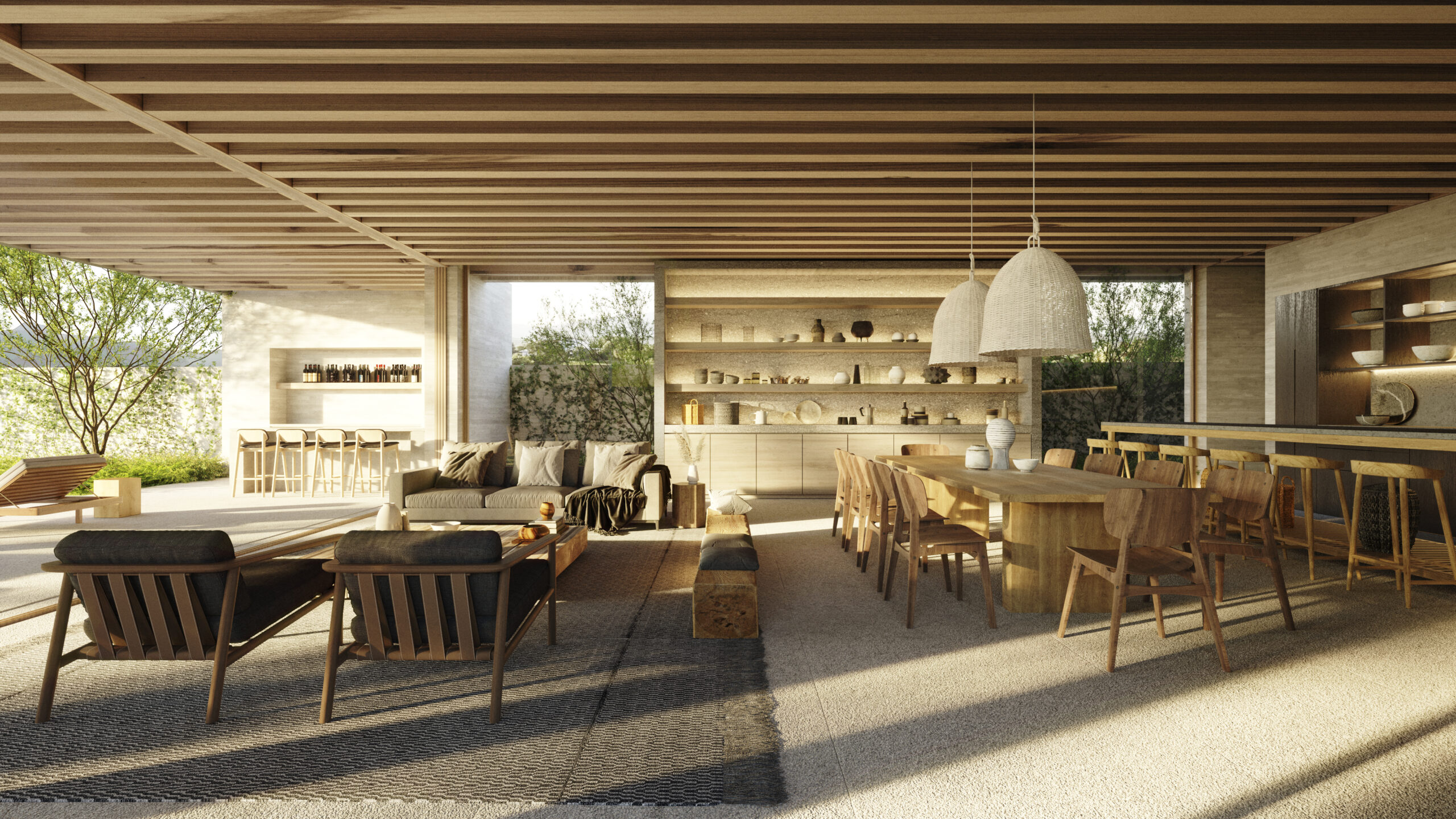
Let’s start with the foundation: your portfolio. A well-designed website is essential. Think of it as your digital calling card, a place where potential clients can see your style and understand your strengths. It should showcase your best projects with high-quality images, 3D renderings, and maybe even walkthrough videos. Make sure each project tells a story, whether it’s a modern residential home or a sprawling commercial space.

Pro Tip: Make it easy to navigate! Clients should be able to find your contact info, portfolio, and a bit about your process without too much digging.

2. Leverage 3D Rendering and Virtual Tours

The shift toward digital presentations in architecture has never been stronger. With tools like 3D rendering and virtual tours, you can give clients a true sense of space and design, right from their screens. Imagine a client exploring your design from different angles, zooming in on details, and experiencing the layout as if they’re standing in the room. That’s the magic of 3D and virtual tools.

Pro Tip: Virtual tours can be particularly powerful for real estate developers and commercial clients who may not be able to visit the space in person. They can save you time explaining details by allowing clients to see them directly.

3. Embrace Social Media for Connection and Inspiration

Social media isn’t just for lifestyle brands—it’s a growing platform for architects to connect with audiences and showcase their work. Platforms like Instagram, Pinterest, and LinkedIn are great for sharing images, sketches, and behind-the-scenes moments of your projects. Potential clients love to see the process, not just the finished product.

Pro Tip: On Instagram, consider creating short videos of “before and after” renderings. Pinterest is also a favorite for design-minded clients who are often on the hunt for inspiration and may stumble upon your work.

4. Write Engaging Blog Posts on Architecture Topics

If you have a unique perspective on design trends, sustainability, or what goes into creating a particular type of building, why not share it in a blog? Writing blog posts on your website can boost your search engine visibility and help you connect with clients who are looking for information in the early stages of a project. Plus, blogs position you as an authority in your field.

Pro Tip: Write about topics that resonate with your target audience, like “5 Sustainable Design Tips for Your Next Project” or “How 3D Rendering Brings Ideas to Life.” And don’t worry about sounding overly formal—just keep it real and relatable!

5. Optimize Your Website for Local SEO

While your designs may be appreciated globally, most of your clients are likely in your city or state. Make sure your website is optimized for local search terms like “San Diego architect” or “Los Angeles commercial design firm.” This will make it easier for people in your area to find you. Local SEO involves things like adding your business to Google My Business, including location-based keywords on your website, and asking satisfied clients for reviews.

Pro Tip: Clients are often impressed by well-curated, project-specific details that mention local influences or favorite neighborhood features—mentioning these can help your site rank higher.

6. Showcase Client Testimonials and Case Studies

People like to know what it’s like to work with you. Client testimonials and case studies give them an inside look. Consider adding testimonials to your homepage or a dedicated testimonials section. Case studies can be especially impactful, walking clients through the specifics of a project from start to finish, including any challenges you overcame.

Pro Tip: Don’t just talk about the finished building—share the journey, too. For instance, if you created a home that reduced energy costs or reimagined a small space, share those details. Real-life benefits resonate with clients.

7. Collaborate with Industry Influencers and Blogs

You don’t have to go it alone. Connect with bloggers, influencers, or other design firms to expand your reach. Maybe an interior design blogger would love to showcase your project, or a sustainable architecture influencer would like to highlight your eco-friendly work. Collaborating with industry leaders helps you reach a wider audience, and clients often value the credibility boost from a trusted source.

Pro Tip: Find influencers and bloggers who resonate with your niche. If sustainable architecture is your thing, reach out to those who cover environmental topics. If you specialize in modern homes, find influencers who focus on home design.

8. Use Email Marketing to Stay Top of Mind

Email marketing may sound old-school, but it’s incredibly effective for architects. A monthly newsletter can keep you connected with past clients, collaborators, and people who are following your work. Share updates on recent projects, upcoming events, or insights into design trends. It doesn’t have to be fancy—just a few visuals and a bit of text that adds value.

Pro Tip: Consider segmenting your email list. This way, you can send more targeted content to past clients, new prospects, or even contractors you’ve worked with.

9. Monitor Your Online Reputation

Finally, in the digital world, reputation matters. Keep an eye on your online reviews and respond promptly. Happy clients? Encourage them to leave a review on Google, Yelp, or Houzz. Even if there’s a challenging review, a thoughtful response shows potential clients you care.

Wrapping It Up

Marketing in the digital age may seem daunting, but it’s really about telling your story and connecting with people who value your work. By focusing on your online presence, leveraging social media, and optimizing for local search, you’re setting yourself up for success. With a little time and creativity, your architecture firm can make a big impression online, attracting the right clients and showing the world what you can do.

Have questions about where to start? Don’t hesitate to reach out!

The Top Questions Architects Have About 3D Rendering Services

Hey there! If you’re an architect or a small firm curious about 3D rendering services, you’re in the right place. Today, we’re diving into some of the most frequently asked questions we get from architects just like you. Whether you’re new to outsourcing renders or simply want a better idea of what to expect, let’s get those answers!

Introduction

3D rendering has become an invaluable tool for architects, helping bring concepts to life in ways that resonate with clients and teams alike. It not only adds a touch of photorealism to your projects but also makes communication smoother and more engaging. Yet, we know you’ve got questions! So, we’ve compiled the top questions architects ask to make your decision to outsource rendering easy, efficient, and informed. Let’s get started.

1. How long does it typically take to complete a 3D render?

One of the first questions on everyone’s mind! The timeline depends on the project’s scope, detail, and, of course, deadlines. A single-room render may only take a few days, while a full architectural development might take a couple of weeks. Clear communication on needs and revisions helps set a reliable timeline.

2. Can we match renders to our firm’s style?

Absolutely! We love working with architects to match renders to their unique aesthetic, whether minimalist, contemporary, or more traditional. When starting, share references, style guides, or mood boards to capture the essence of your brand. Customization is key here—think of it as translating your architectural identity into a visual experience that feels like you.
3. What’s the difference between a 3D render and a 360 view?

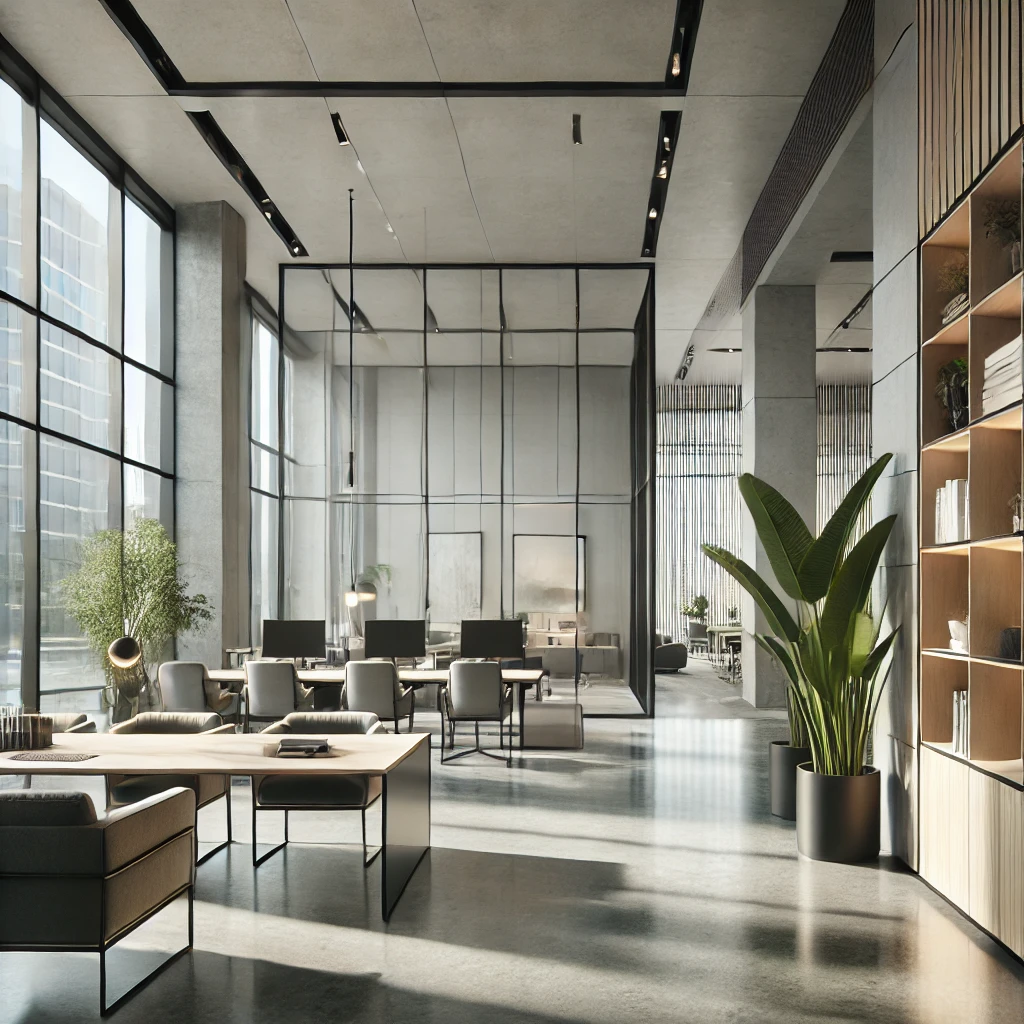
Great question! A 3D render is a static, photorealistic image showing a particular viewpoint. A 360 view, on the other hand, is interactive, allowing viewers to ‘move’ around a space. Think of 3D renders as framed snapshots and 360 views as immersive experiences where clients can explore the space themselves.
4. How many revision rounds are typically included?

Most projects come with 1-3 rounds of revisions. This lets us fine-tune details while staying efficient. We recommend providing clear feedback after each draft, so every revision brings the render closer to your vision. And don’t worry—our goal is to make sure you’re thrilled with the final outcome.
5. Are textures and materials accurate to the final project?

Yes! In fact, one of the biggest benefits of 3D rendering is the accuracy it offers. We use textures and materials that closely mimic what will be in the actual build, from marble countertops to wood grain and beyond. This level of realism helps your clients envision the final space with confidence.

Get your project estimated in just 1 hour – fill out this brief! Project Brief

Get your project estimated in just 1 hour – fill out this brief! Project Brief

 Conclusion

I hope these answers have shed some light on what to expect when working with a 3D rendering service. Each project is unique, and so are the questions that come with it! If there’s anything else you’re curious about, please reach out—we’re here to make the process as smooth as possible.

The Standard Workflow Process of an Exterior 3D Rendering Project at ATRIUM

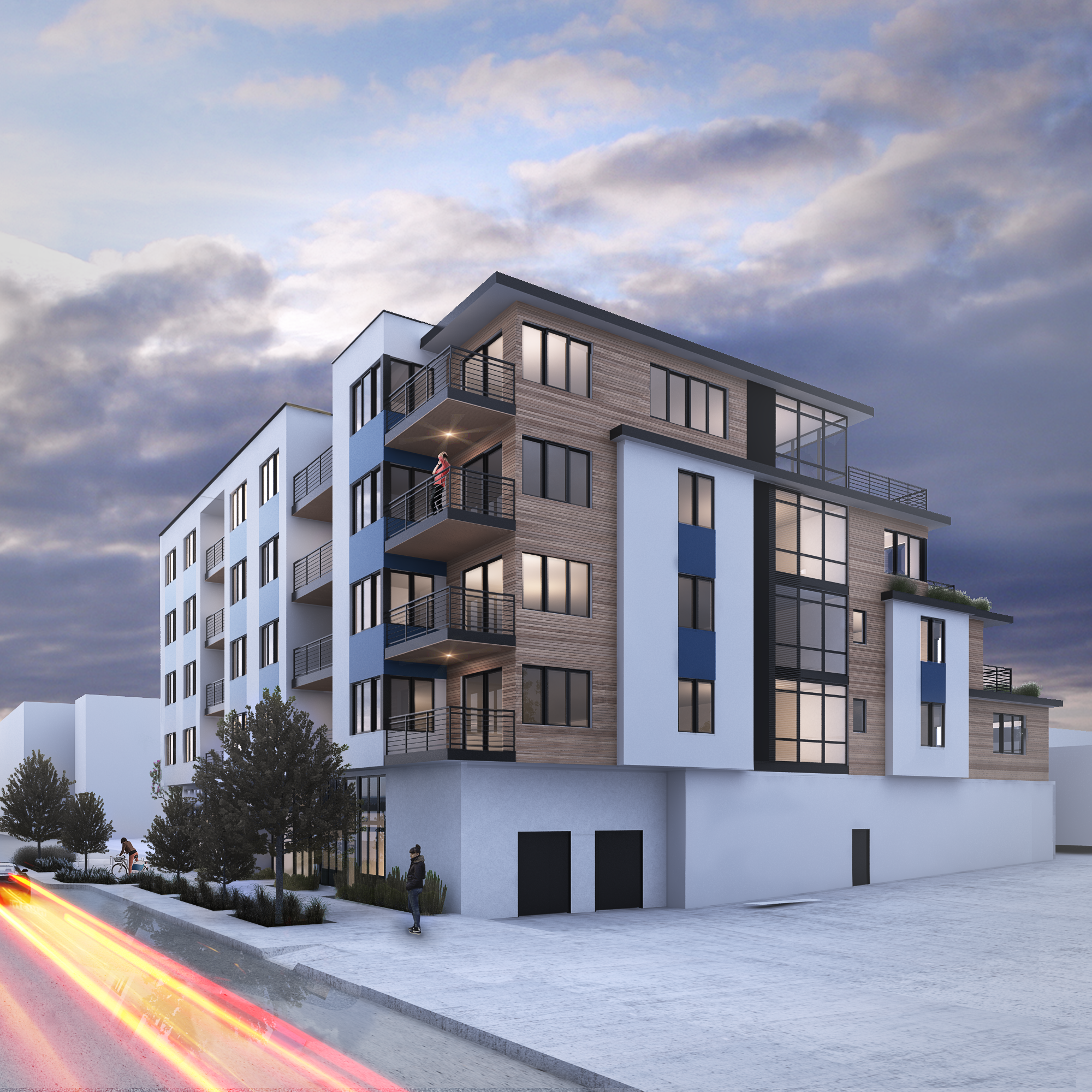
Every year, more architects, real estate developers, and agents are embracing the power of 3D rendering. At ATRIUM, we’re proud to support these professionals by delivering high-quality exterior renderings that help bring their visions to life. To make each project seamless, we’ve developed an easy-to-follow workflow that we use for every exterior 3D rendering project.

Let’s walk through the key steps that make up our process, so you know exactly what to expect from start to finish.

1. Submitting Your Project Brief

It all begins when we receive your project brief. This is the foundation of a successful 3D rendering project. What should the brief include? Here’s what we recommend:

  • Architectural drawings (plans, sections, elevations)

  • Lighting and mood references

  • Details about the surroundings

Optional but helpful items include sketches, Revit 3D models, and texture samples. The clearer your brief, the smoother the entire process will be.


2. Approving Grayscale Renders

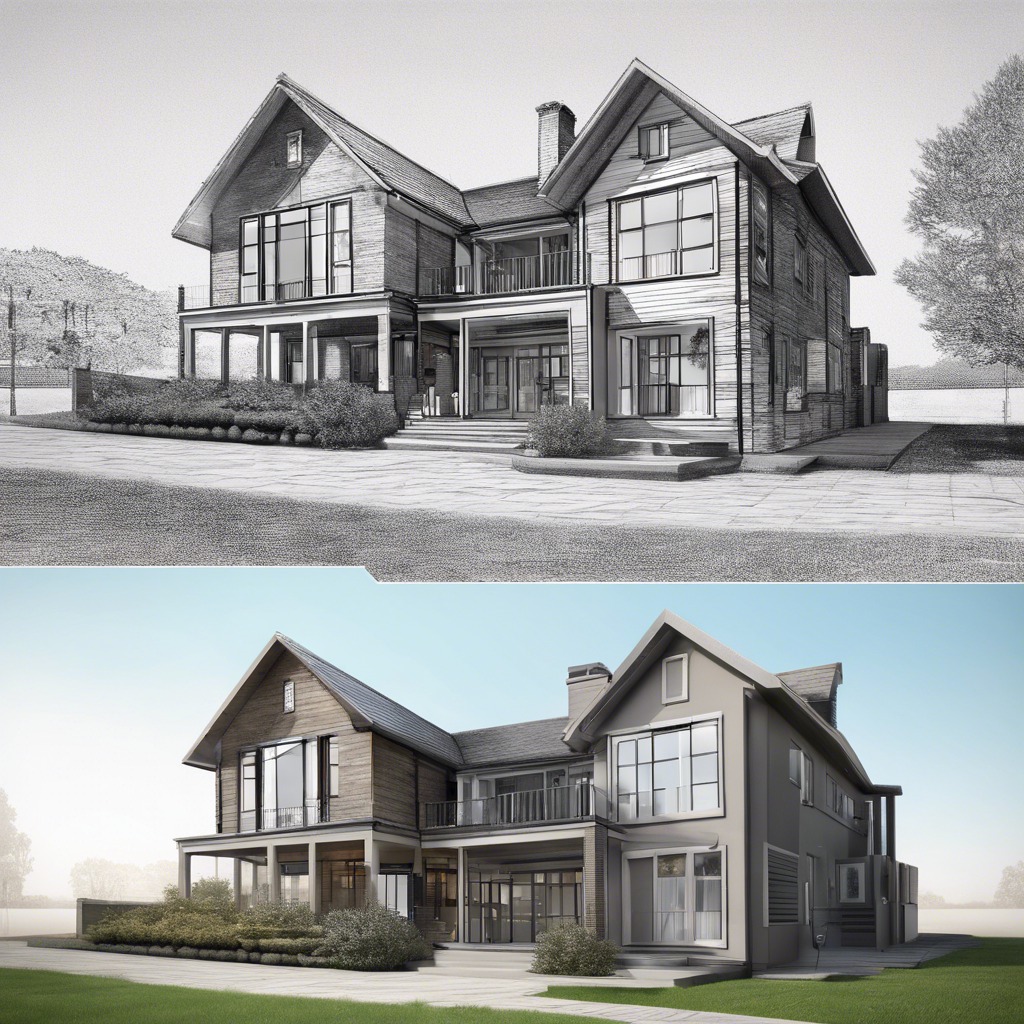
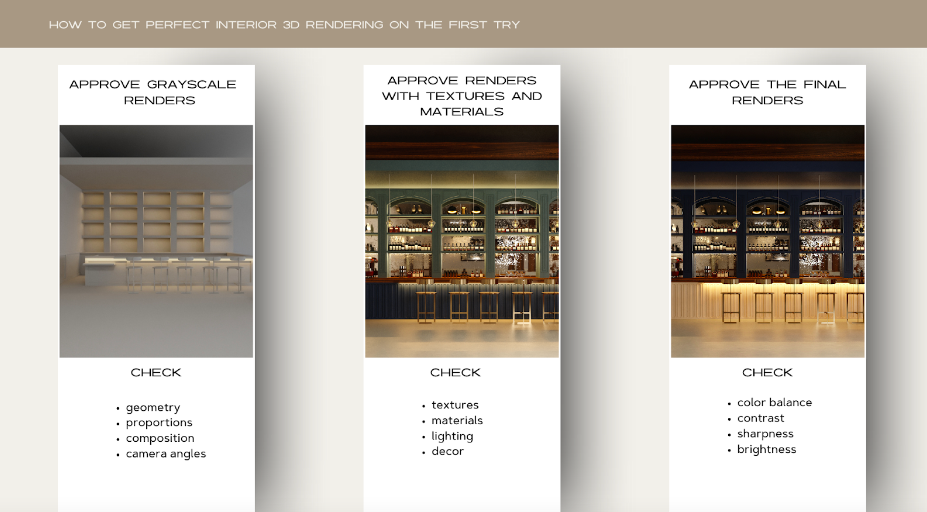
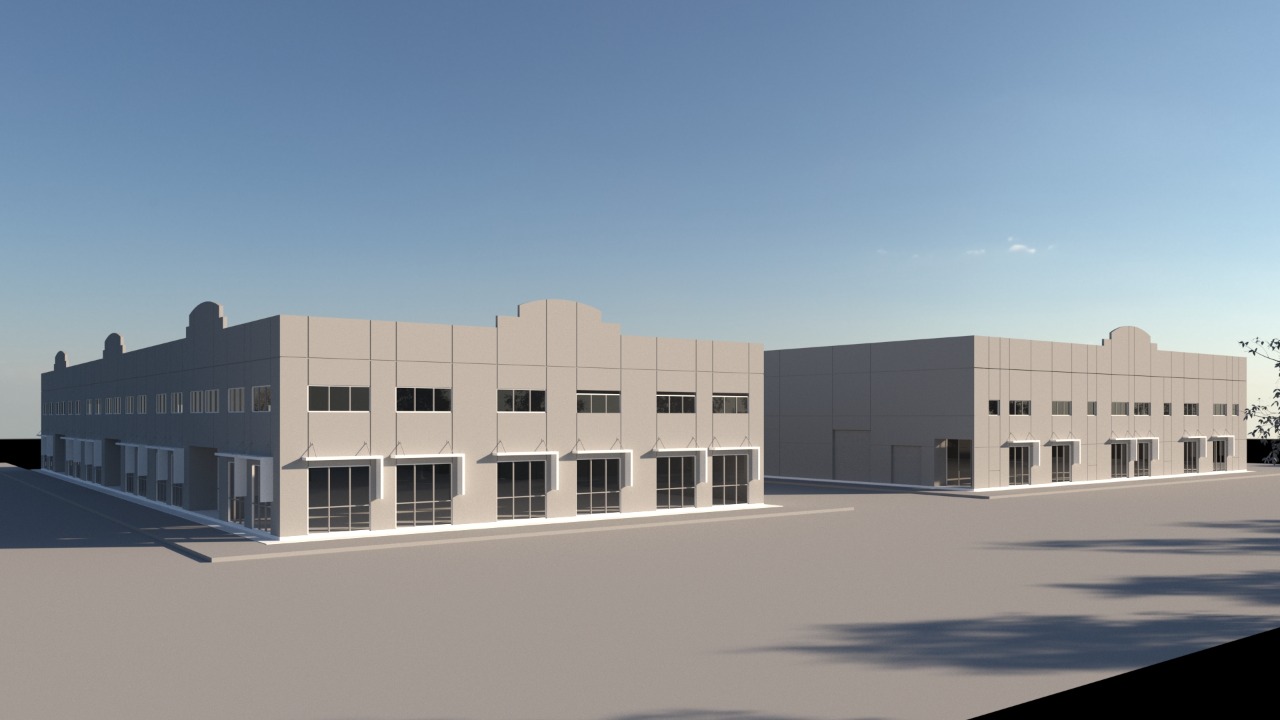
Once we have your brief, our team gets to work creating grayscale, or “clay,” renders. Think of these as the skeleton of your project—they show the core structure and surrounding elements but don’t yet have colors or textures.

At this stage, you’ll review the overall geometry and camera angles. This is your chance to confirm that everything matches your vision or request changes if needed. We typically offer 1-2 rounds of revisions to fine-tune these grayscale drafts before moving on.

3. Approving Color Proof 1 — Adding Materials and Textures

Now, the fun part begins! We add colors, textures, and environmental details to bring your design to life. You’ll see your project in vibrant 2K quality, complete with realistic elements like materials, lighting, greenery, and even people if desired.

During this phase, we encourage your feedback on how the materials and surroundings look. Up to three rounds of minor adjustments can be made to ensure your project feels just right.

4. Receiving Your Final 3d Rendering

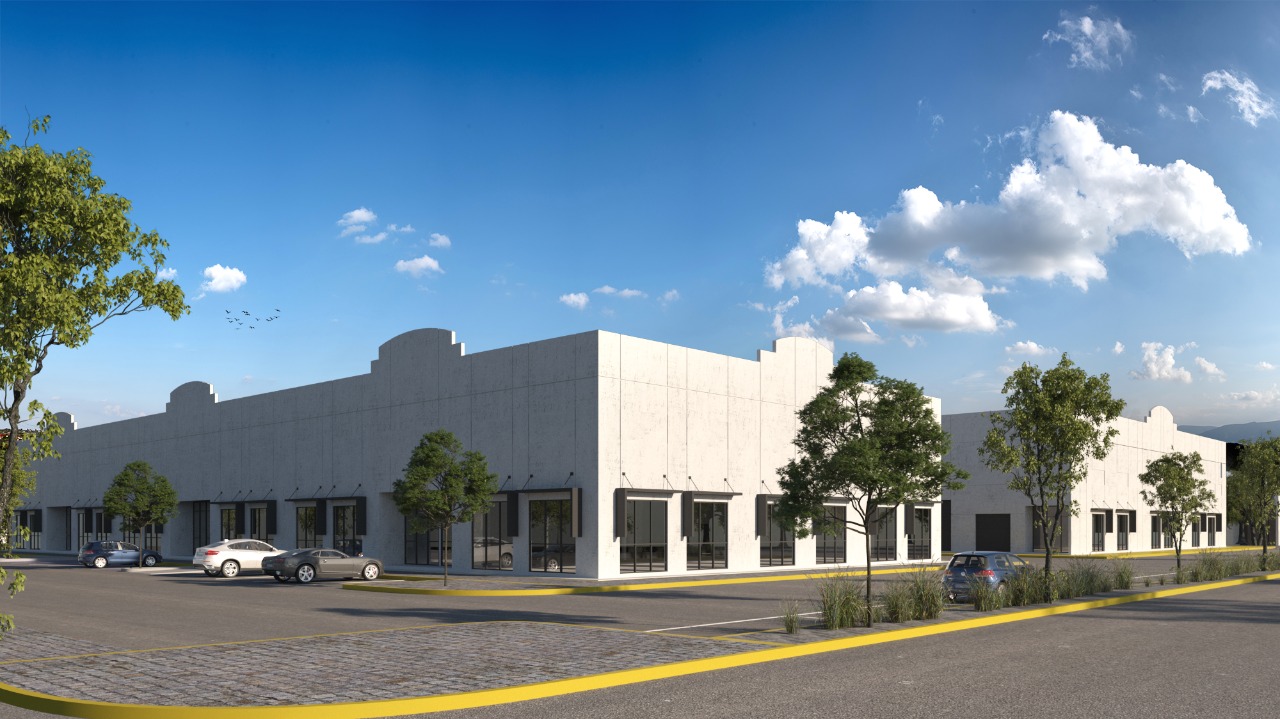
Finally, your project reaches the finish line. We fine-tune the render with post-production techniques using Photoshop to adjust lighting, contrast, and color balance. This final touch ensures your images look polished and hyper-realistic. Typically, our renders are delivered in 4K resolution, perfect for print sizes up to A1. Need a different resolution? Just let us know!

At this stage, we’re always excited to hear your thoughts. Your feedback helps us refine our process and deliver even better results for future projects.


Get your project estimated in just 1 hour – fill out this brief! Project Brief
 

With this efficient workflow, ATRIUM makes the 3D rendering process straightforward and effective. You’ll have clear expectations and top-notch results, every time. Ready to see your project come to life?

Reach out to us and let’s get started!

Transform Your Presentations with Standout Commercial 3D Renderings

When it comes to commercial architecture, making your vision clear and captivating is everything. And that’s where 3D rendering steps in. It’s not just about creating visuals; it’s about making sure your clients and partners get the full picture from the first glance.

Setting the Scene for Your Design’s Story

Imagine this: you’re pitching a modern office complex in a bustling city center. Think about the setting—are you emphasizing urban energy or calm professionalism? Picking the right backdrop isn’t just about looking nice; it’s about crafting a vibe that supports your vision and gets people excited to see more.

Show Off What Makes Your Project Unique using 3D renderings

Every design has its wow factor. Maybe it’s a spacious lobby designed for people to connect, or an outdoor area with stunning views—whatever it is, make it shine. With 3D rendering, we can bring out those unique benefits so they’re impossible to miss, creating a stronger connection with everyone viewing your work.

Make the Right Impression with Lighting

Lighting can be the “make-or-break” detail. Whether it’s a cozy evening glow or crisp natural daylight, lighting lets you set the tone for each space. It’s amazing how the right light can change the entire feel of a room, guiding how viewers experience the design.

Bring the Space to Life with People

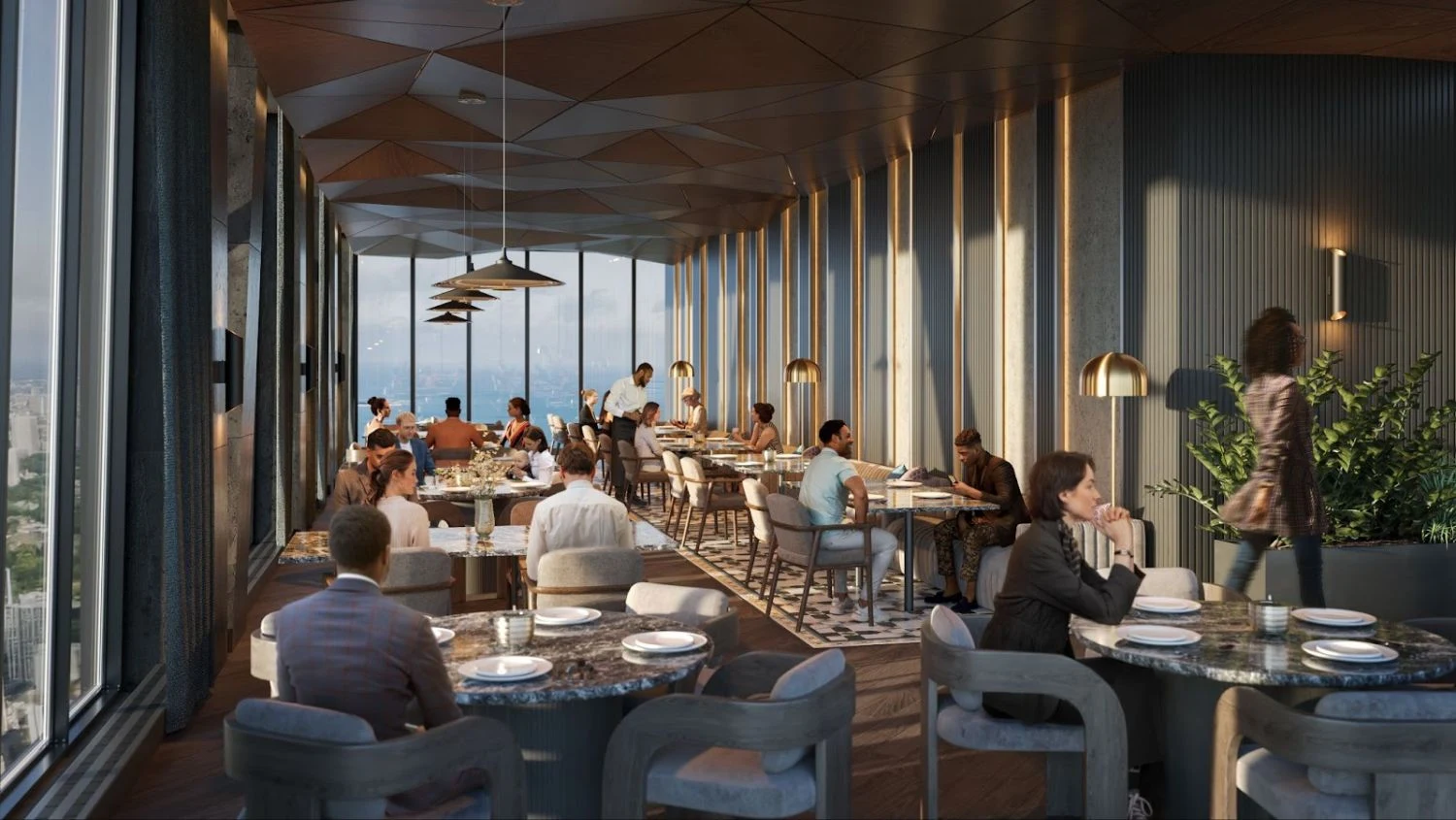
It’s true: adding people into your 3D renders makes spaces feel real. Seeing a busy lobby or a quiet office with people going about their day helps viewers picture themselves there. It adds personality to the space and makes your project feel more relatable.

The “Big Picture” View: Why Aerial Perspectives Count

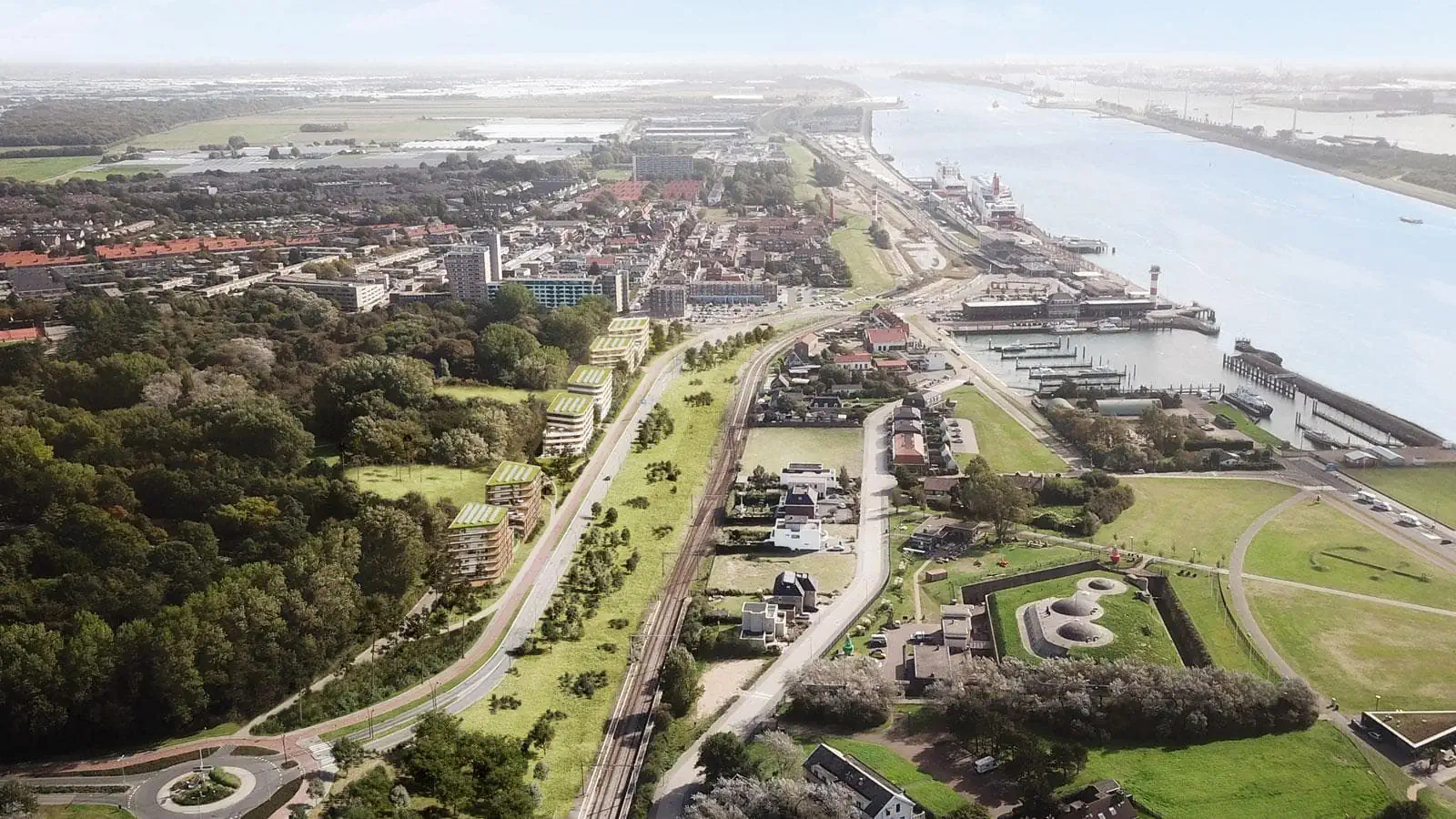
For larger spaces like malls or corporate campuses, sometimes a ground-level view doesn’t cut it. An aerial perspective offers a great overview, showing scale and layout all at once. It’s like giving your audience a VIP tour of the whole site.

Up Close and Personal: Highlighting Details That Matter

Alongside those big shots, don’t forget close-ups of the details—textures, materials, finishes. These smaller elements can add so much to the overall impact, proving your commitment to quality and giving clients a taste of the craftsmanship they can expect.


Get your project estimated in just 1 hour – fill out this brief! Project Brief
 

Now that you have the tools to create captivating commercial 3D renderings, why wait? Reach out to us at Atrium, and let’s bring your vision to life. Our team of experts is here to guide you every step of the way, from concept to completion. Together, we’ll create renderings that inspire, captivate, and ultimately, win over your audience.

In need of 3D rendering services? Contact us at Atrium to elevate your architectural presentations with award-worthy CG images. Let’s turn your vision into reality!

Why Lifelike Renderings Win Clients: The Limitations of SketchUp Alone

In the world of architectural design and presentation, the power of visualization cannot be overstated. It’s not just about showing a concept; it’s about connecting clients emotionally to a space before it physically exists. This is where tools like rendering and SketchUp come into play, revolutionizing how architects present and market their designs.

The Magic of Rendering

Rendering is more than just a step in the design process; it’s a transformative tool that converts basic models into stunning, lifelike visuals. This transformation allows clients to see, feel, and understand the essence of the proposed space in ways that sketches (SketchUp) alone cannot achieve.

Imagine presenting a client with a 3D render of a living room that showcases intricate textures, realistic lighting, and dynamic perspectives. Such a visual is not just a picture; it’s an experience.

Why Lifelike Visuals Matter

The shift from flat sketches to detailed 3D renders has a profound impact on client engagement. A well-executed render captures the imagination and draws clients into the narrative of the space. It makes the intangible tangible, helping clients visualize their future home, office, or commercial space with a clarity that sketches can’t match. This depth of visualization is crucial not only for winning projects but also for building trust and confidence with clients.

Enhancing Your Workflow with Rendering

Incorporating rendering into your workflow isn’t just a value-add; it’s becoming a necessity in a competitive market where clients expect more than ever before.

Take the Next Step

Understanding the benefits of rendering and implementing it effectively are key to leveraging its full potential. Whether you’re looking to refine your existing approach or integrate rendering for the first time, it’s clear that these tools are invaluable for today’s architecture professionals.

For more information on how rendering can enhance your projects, or to get tips on integrating rendering into your scheduled workflow, feel free to send us a message! We’ll provide you with detailed insights and strategies to transform your client presentations and secure more projects.

Enhance Your Architect RFP Responses with 3D Visualization: A Game Changer for Architectural Firms

In the competitive world of architectural design, standing out in a sea of RFP (Request for Proposal) submissions can be daunting. However, incorporating 3D renderings into your proposals can significantly enhance both their attractiveness and effectiveness.

Here’s a deep dive into how architectural firms can leverage this powerful tool to not only capture attention but also clearly communicate their design intent and capabilities.

Visual Impact: Making a Memorable First Impression

When it comes to RFPs, the initial impression your proposal makes can set the tone for everything that follows. High-quality 3D renderings immediately grab the selection committee’s attention, setting your submission apart from the stack. As the founder of Creative Atrium, I’ve observed numerous instances where clients have seen a tangible increase in engagement from committees purely through the enhanced visual presentation of their proposals. In one memorable instance, a client competing for a high-profile commercial development significantly boosted their proposal’s impact by including a series of photorealistic renderings that showcased the project’s potential, helping to secure the contract.

Clarifying Complex Ideas: Simplifying the Complex

Architectural concepts can often be intricate and challenging to visualize. 3D visualization can transform these complex ideas into clear, understandable, and visually appealing images. This not only makes your proposal more accessible to non-technical stakeholders but also ensures that your vision is perfectly communicated. For example, when tasked with designing a multifaceted residential complex, using 3D panoramas allowed our client to clearly articulate the interrelationships between various design elements, enhancing the proposal’s clarity and depth.

Showcasing Design Excellence: Highlight Your Expertise

A picture is worth a thousand words, and a 3D rendering can say even more about your firm’s expertise and architectural innovation. By showcasing your ability to handle diverse project demands — from sleek commercial spaces to serene church environments — you demonstrate your versatility and creativity. 3D renderings allow you to highlight unique features of your design, providing a tangible glimpse into your project’s potential.

Architect RFP: Visualizing Options

RFPs often require the presentation of multiple design options. 3D renderings enable decision-makers to visualize these alternatives clearly, facilitating a more informed decision-making process. This comparative analysis not only demonstrates your firm’s flexibility but also its proactive approach in catering to your client’s needs.

Enhancing Communication: The Keystone of Success

Effective communication is central to winning architect RFPs. 3D renderings serve as excellent focal points for discussions, aligning both the architectural firm and the client around a shared vision. This alignment is critical in ensuring that the final project truly reflects the client’s goals and expectations.

Marketing Edge: Showcasing Technological Prowess

Incorporating the latest 3D rendering technology in your RFP responses not only underscores your firm’s commitment to innovation but also enhances your marketability. Demonstrating your capability to employ cutting-edge tools positions your firm as a leader in architectural visualization, ready to tackle future challenges with modern solutions.

Efficiency and Speed: Meeting Tight Deadlines

The ability to produce accurate and appealing 3D renderings swiftly is invaluable, especially when adhering to the tight timelines often associated with RFPs. Our team at Creative Atrium excels in turning around high-quality renderings quickly, enabling firms to respond to last-minute adjustments and feedback efficiently.

Why Choose Creative Atrium to be your partner?

At Creative Atrium, we understand the crucial role that 3D renderings play in not only winning RFPs but also in effectively communicating your architectural vision. Our team of experts is dedicated to providing top-tier 3D rendering services that enhance your proposals and help convey your design concepts clearly and compellingly.

Are you ready to transform your next RFP response? Let Creative Atrium help you make your proposals not just seen, but felt.

Contact us today to learn how our 3D rendering services can give you the competitive edge you need to succeed.

Unveiling the Magic of Architectural Visualization in Architectural Design

The Journey Begins

Hey there! Let’s dive into the fascinating world of architectural visualization. As a seasoned 3D rendering company, We’ve had our fair share of experiences navigating through fascinating world of design and visualization.

In this article, We’re thrilled to share insights about the pivotal role of architectural visualization in shaping modern design practices.

The Evolution of Architectural Visualization: A Blast from the Past

Remember the days when architectural sketches and physical models were our go-to tools for visualizing design concepts? Ah, those were simpler times! But fast forward to today, and we find ourselves immersed in a digital revolution that’s transforming the way we bring architectural visions to life.

With the rise of cutting-edge technologies like 3D rendering software, virtual reality tools and ai, architectural visualization has undergone a remarkable evolution. Gone are the days of painstakingly crafting models by hand. Now, architects can dive into virtual worlds, exploring and refining their designs with unprecedented ease and precision.

Enhancing Design Efficiency: A Game-Changer for Creativity

Let’s talk efficiency, shall we? Architectural visualization isn’t just about making pretty pictures—it’s about streamlining our design process from start to finish. With our 3D rendering services at your fingertips, you can unleash your creativity like never before.

Picture this: You’re sketching out ideas for a new project, and suddenly, inspiration strikes. With a few clicks, we can transform your rough sketches into stunning 3D renderings, visualizing every detail with jaw-dropping realism. No more guesswork or endless revisions—just pure, unbridled creativity in action.

But it doesn’t stop there. Architectural visualization also allows us to iterate on your designs with lightning speed. Thanks to real-time rendering capabilities, we can explore multiple design options on the fly, tweaking and refining until we perfectly achieve your vision. Talk about a game-changer!

Improving Communication and Collaboration: Bridging the Gap

Communication is key, isn’t it? As an architect, you’re constantly juggling multiple stakeholders, from clients to contractors to fellow team members. That’s where architectural visualization comes in handy—it’s your secret weapon for bridging the gap between imagination and reality.

Think back to that last client meeting. Instead of fumbling through technical jargon and blueprints, you whip out a dazzling 3D rendering of your design. Suddenly, those abstract concepts spring to life before your client’s eyes, sparking excitement and enthusiasm. Now, that’s the power of visual storytelling!

But wait, there’s more. Architectural visualization also fosters collaboration like never before. By sharing immersive renderings and virtual walkthroughs with your clients, you can foster a deeper understanding of your design intent and cultivate a shared vision for the project. It’s teamwork at its finest!

Elevating Client Satisfaction: Turning Dreams into Reality

Ah, client satisfaction—the holy grail of architecture, am I right? Fortunately, architectural visualization is here to help us deliver the goods and exceed your clients’ wildest expectations.

Imagine this scenario: Your client has a vision for their dream home, but they’re struggling to visualize the final result. That’s where we come in; by presenting lifelike renderings and virtual tours of their future abode, you can transform their dreams into tangible reality, earning their trust and loyalty in the process.

And let’s not forget about managing expectations. With architectural visualization, we can set clear and realistic expectations from the get-go, ensuring a smooth and stress-free journey from concept to completion. No more surprises or disappointments—just happy clients and successful projects.

Conclusion: Embracing the Future of Design

As we wrap up our journey into the world of architectural visualization, we hope you’ve gained a newfound appreciation for the magic it brings to your profession. From enhancing design efficiency to fostering collaboration and delighting clients, the benefits are truly endless.

Allow us to harness the power of architectural visualization to unlock your creativity, elevate your communication, and deliver unparalleled results for your clients.

Cracking the Code: How Pre- Construction Marketing Transforms Real Estate Development Success

In the fast-paced world of digital marketing, we get it – you want to make sure your efforts are hitting the right mark and translating into tangible results for your real estate projects. That’s where targeted marketing steps in, and we’re here to guide you through the ins and outs.

The Secret Sauce: Making Targeted Marketing Work for Real Estate

1. Know Your Crowd:

  • Ever hosted a party where you wanted the perfect mix of people? Targeted marketing is like that, but for your real estate projects. We dive deep into understanding who your potential buyers are, what they love, and what makes them tick.

2. Tailor-Made Campaigns:

  • Forget the generic approach. We’re all about crafting messages that speak directly to the people who are genuinely interested in what you’re offering. Social media, emails, you name it – each campaign is customized to hit the right chord with your dream buyers.

3. Data-Driven Strategies:

  • The backbone of targeted marketing lies in data analytics. We leverage robust data analysis tools to identify trends, track user behavior, and refine our strategies in real-time. This continuous optimization ensures that our efforts are always aligned with the evolving preferences of our target audience..

Addressing Concerns: What if Leads Don’t Work?

It’s a valid concern, and we understand the apprehensions surrounding lead generation. Here’s how we address this common question:

1. Continuous Refinement:

  • Targeted marketing is not a one-time solution; it’s an ongoing process. If leads don’t meet expectations initially, we don’t give up. Instead, we analyze the data, identify areas for improvement, and refine our approach to ensure optimal results over time.

2. A/B Testing for Precision:

  • We implement A/B testing to evaluate different aspects of our campaigns – from ad copy to imagery. This data-driven approach allows us to identify the most effective strategies and make informed decisions to enhance lead generation.

3. Transparent Reporting:

  • Transparency is key. Our clients receive detailed reports on campaign performance, providing insights into the number of leads generated, conversion rates, and other essential metrics. This allows for open communication and collaboration to tweak strategies as needed.

Why Engage with CREATIVE ATRIUM?

Our commitment extends beyond conventional marketing paradigms; we position ourselves as collaborative stakeholders in your real estate development endeavors.

Targeted marketing is not merely a terminological buzz; it is a meticulously crafted strategy that converges seamlessly with your aspirations.

Let’s start a marketing journey that puts your projects in the spotlight, attracts the right crowd, and turns your vision into reality.

Ready to make your mark in the real estate world? Reach out today, and let’s create a marketing strategy that sets your projects apart from the rest!

Crafting an Effective Branding Strategy: Unlocking the Power of Your Identity

A strong and cohesive brand is the backbone of any successful business. In today’s competitive marketplace, it’s no longer enough to offer a great product or service – you need a strong brand identity to set yourself apart from the competition and connect with your target audience. This is where a well-thought-out branding strategy comes into play. In this blog post, we’ll dive into the importance of branding and outline key steps to develop an effective branding strategy that can propel your business to new heights.

Understanding the Power of Branding

Before we delve into the strategy itself, let’s first discuss why branding is so essential. Your brand is not just a logo or a tagline; it represents the perception and emotions that people associate with your business. It’s the promise you make to your customers and the way you differentiate yourself in their minds. A strong brand builds trust, fosters loyalty, and helps you establish an emotional connection with your target audience. It’s the intangible value that can make or break your business in the long run.

Assessing Your Current Brand

To develop an effective branding strategy, we start by conducting an in-depth assessment of your current brand. We will evaluate how your business is perceived in the market and by your target audience. We will analyze your current brand elements, including your logo, website, messaging, and visual identity. After identifing what is working well and what might need improvement, we will be able to create a branding strategy for your company.

This assessment will provide valuable insights into your brand’s strengths, weaknesses, and opportunities for growth.

Defining Your Brand Identity

Before we can develop a branding strategy for your company, we need a clear understanding of your brand identity. We can help you define your brand’s mission, values, and unique selling proposition (USP). This involves understanding your target audience and what sets you apart from your competitors.

We can then craft a compelling brand story and develop a brand personality that resonates with your audience. A well-defined brand identity serves as a foundation for your branding strategy, guiding all future decisions and communications.

Creating Consistent Visual Identity

A crucial aspect of branding strategy is establishing a consistent visual identity. This includes elements such as your logo, color palette, typography, and overall design style. We can ensure that these elements align with your brand identity and evoke the desired emotions and perceptions. Consistency helps build brand recognition and instills trust in your audience. You should implement your visual identity across all touchpoints, from your website and social media to packaging and marketing materials.

Crafting a Compelling Brand Message

Your brand message should effectively communicate your value proposition and resonate with your target audience. Atrium Visual can help you develop a clear and compelling brand voice that aligns with your brand identity and connects with your audience’s aspirations and pain points. We are able to craft key messages that differentiate your business from competitors and highlight the unique benefits you offer. You can use these messages consistently across all communication channels to reinforce your brand and build recognition.

Engaging with Your Audience

Successful branding goes beyond visuals and messaging – it involves building meaningful connections with your audience. Develop strategies to engage and interact with your target audience on both online and offline platforms. Leverage social media, content marketing, events, and other channels to create a dialogue and foster a sense of community around your brand. Engaging with your audience allows you to humanize your brand and build long-lasting relationships.

Tracking and Evolving Your Brand Strategy

Finally, it’s essential to continually track the performance of your brand and make necessary adjustments. Monitor brand sentiment, customer feedback, and market trends. By regularly evaluating your branding strategy we can ensure alignment with your business goals and changing consumer expectations. Adapt and evolve your brand strategy is necessary to stay relevant and maintain a competitive edge.

Final Thoughts

Crafting an effective branding strategy is a fundamental step towards building a successful business. It requires careful consideration of your brand identity, visual elements, messaging, and audience engagement. A strong branding strategy can differentiate your business, foster customer loyalty, and establish a powerful emotional connection with your target audience. Allow Atrium Visual to create a branding strategy for your company and embrace the opportunity to unlock the true power of your brand and position your business for long-term success.