Author: andrea@atriumvisual.studio

Rendering Tech Is Evolving—But Are Small Firms Being Left Behind?

Rendering technology is evolving rapidly, but is it leaving small firms behind? Discover what’s worth investing in, key trends, and how outsourcing can level the playing field.

Keeping Up With Rendering Tech: A Challenge for Small Firms

If you’re an architect or designer running a small firm, you’ve probably noticed how fast rendering tech is changing. AI-assisted tools, real-time rendering, and ultra-realistic visuals are becoming industry norms. But with high costs, steep learning curves, and constant updates, it’s easy to feel like you’re falling behind.

New software promises faster results, but mastering these tools requires time and investment. Meanwhile, larger firms with dedicated teams can quickly adopt and integrate cutting-edge tech, making competition even steeper for smaller players.

The good news? You don’t have to invest in every new tool to stay competitive. Let’s break down what’s worth your time and money—and how outsourcing rendering support can help you compete with the big firms.

The Tech Race: What’s New and What’s Noise?

The rendering industry is evolving rapidly, with new software, AI-driven tools, and real-time rendering technology making headlines. But not all innovations are worth the investment. Small firms must carefully assess which advancements bring real value versus those that are just hype.

Key Developments to Watch:

  • AI-Driven Rendering Tools: Automation of lighting, material application, and scene optimization to speed up workflows.

  • Real-Time Rendering: Faster visualization tools like Twin motion and Unreal Engine streamline client feedback and design iterations.

  • Cloud-Based Rendering: Reduces hardware limitations by offloading processing power to external servers.

  • Virtual Reality (VR) & Augmented Reality (AR): While still emerging, these technologies offer exciting opportunities for immersive client presentations.

What’s Just Noise?

  • Expensive One-Size-Fits-All Solutions: Some rendering suites are overkill for small firms.

  • Trend-Based Features: Just because a feature is new doesn’t mean it’s necessary for every project.

  • Overcomplicated AI Promises: AI tools are evolving, but they are not yet a substitute for human creativity and expertise.

What’s Worth the Investment?

Not every new piece of software is essential for your firm. Instead of chasing trends, focus on key investments that improve efficiency and quality without breaking the bank.

1. Essential Rendering Software

  • Must-Have: Reliable rendering software like V-Ray, Corona Renderer, or Lumion. These offer high-quality results without overwhelming complexity.

  • Nice-to-Have: AI-assisted tools (such as Enscape) that speed up workflow but require adaptation.

2. Hardware Upgrades That Matter

  • A high-performance GPU (graphics card) is crucial for faster rendering times.

  • More RAM and processing power can significantly improve efficiency, reducing lag and boosting productivity.

The Cost Challenge for Small Firms

Investing in the latest rendering technology comes with significant financial challenges. Small firms must consider:

  • High Upfront Software Costs: Licensing fees for premium rendering tools can be prohibitive.

  • Expensive Hardware Upgrades: Advanced rendering engines require powerful GPUs, additional RAM, and high-performance CPUs.

  • Ongoing Training and Learning Curves: Time spent learning new software means less time for billable work.

  • Subscription and Maintenance Fees: Many tools require ongoing costs that add up quickly.

For small firms, these expenses can limit profitability and stretch budgets thin, making it crucial to prioritize cost-effective solutions.

Where AI and Real-Time Rendering Really Fit In

AI and real-time rendering promise to revolutionize architectural visualization, but how practical are they for small firms?

AI in Rendering:

  • Automates tedious tasks like lighting adjustments and texture refinements.

  • Reduces rendering times by optimizing settings intelligently.

  • Helps generate concept visuals quickly for client discussions.

Real-Time Rendering:

  • Allows for live updates to models and instant visualization of changes.

  • Speeds up feedback loops and design decision-making.

  • Enhances presentations with interactive 3D models.

The Catch:

  • These technologies still require powerful hardware or cloud services.

  • The learning curve can be steep.

  • AI tools are best used as assistants, not replacements for human expertise.

Simple Ways to Stay Competitive Without Burning Out

Small firms can stay ahead without overcommitting to expensive technology by focusing on:

  • Prioritizing Essential Tools: Stick with high-quality rendering software like V-Ray, Corona, or Lumion that fit your workflow.

  • Utilizing Cloud-Based Rendering: Save on hardware costs while accessing top-tier rendering power.

  • Outsourcing When Needed: Offload rendering tasks to experts when workloads spike.

  • Investing in Smart Training: Focus on tools that will have the biggest impact on efficiency.

  • Leveraging Free and Affordable Resources: Many platforms offer trial versions or lower-cost plans for small businesses.

Why Outsourcing Levels the Playing Field

Outsourcing your rendering needs can be a game-changer, allowing you to:

  • Access high-quality visuals without investing in expensive tools.

  • Free up time for design work and client meetings.

  • Stay flexible with scalable rendering support for different project sizes.

  • Compete with larger firms by delivering top-tier presentations without the in-house costs.

How Partners Like ATRIUM Can Fill in the Gaps

Navigating rendering advancements doesn’t have to be overwhelming. By partnering with visualization experts like ATRIUM, small firms can:

  • Get high-quality 3D renderings without investing in expensive software.

  • Save time and reduce workloads by outsourcing complex rendering tasks.

  • Stay flexible and scalable with on-demand visualization support.

  • Compete with larger firms by delivering top-tier visual presentations without the overhead costs.

At ATRIUM, we help small firms compete by delivering high-end 3D renderings, 360° visualizations, and branding support—without the stress of managing in-house rendering. Whether you need a single rendering or ongoing visualization support, we provide tailored solutions that fit your workflow and budget.

Final Thoughts: Smart Choices for Small Firms

Keeping up with rendering tech doesn’t mean chasing every new trend. Instead, focus on tools that genuinely enhance your workflow. If the costs of new software and training feel overwhelming, outsourcing can bridge the gap—giving you access to cutting-edge technology without the headaches.

Success isn’t about having the latest tools; it’s about delivering quality work efficiently. By making smart choices, your small firm can remain agile, competitive, and ready to take on bigger projects with confidence.

Want high-quality renderings without the hassle? Let’s talk!

The Hidden Costs of a Weak Brand: Why Your Real Estate Project Isn’t Selling?

Poor branding can cost real estate developers millions in lost sales. Discover how weak logos, inconsistent messaging, and unprofessional websites drive potential buyers away—and how to fix it.

Is Your Brand Holding Your Project Back?

In real estate, first impressions matter. The moment a potential buyer or investor sees your project, they’re already forming opinions. But what if your brand isn’t sending the right message? A weak brand—whether it’s an unpolished logo, inconsistent messaging, or an outdated website—can create doubt and hesitation, leading to lost sales and missed opportunities.

Branding isn’t just about aesthetics. It’s about trust, credibility, and value. A strong, professional brand signals to buyers that your project is worth their investment. On the other hand, a poorly executed brand can make even the best real estate developments struggle to gain traction.

Let’s break down the hidden costs of a weak brand and what you can do to fix it.

1. Poor Branding = Lost Sales Opportunities

Imagine a high-end residential development with stunning architecture and premium amenities. But when a potential buyer visits the website, they find blurry images, outdated design, and inconsistent messaging. The disconnect between expectation and presentation is enough to make them move on to a competitor.

How Real Estate Branding Affects Sales::

  • Unprofessional Logos & Design – A low-quality or generic logo undermines the perceived value of your project.

  • Weak Online Presence – A poorly designed website with slow load times or outdated content creates doubt.

  • Inconsistent Messaging – Mixed branding across marketing materials confuses potential buyers.

The Cost:

  • Buyers lose confidence in your project’s quality.

  • Delays in sales as potential buyers hesitate.

  • Increased marketing expenses to compensate for weak branding.

2. Investors and Buyers Trust Strong Brands

Branding isn’t just about making something look good—it’s about building trust. Developers often focus on the physical aspects of their projects (location, architecture, amenities) but forget that perception plays a massive role in attracting investors and buyers.

What Builds Trust?

  • A Cohesive Visual Identity – Professional logos, typography, and color schemes that reflect quality.

  • A Strong Online Presence – An updated website, engaging social media, and clear messaging.

  • Consistent Brand Voice – Every touchpoint, from brochures to email newsletters, should reinforce your project’s unique value.

The Cost of Ignoring This:

  • Investors may perceive your project as unorganized or risky.

  • Buyers may assume lower quality and look elsewhere.

  • You may struggle to build momentum, leading to longer sales cycles.

3. Your Website and Marketing Materials Are Your Digital Storefront

Your website and marketing materials should work as your best salespeople. If they’re outdated, slow, or uninspiring, you’re turning away potential buyers before you even get a chance to pitch.

Signs Your Website Is Costing You Sales:

  • Slow Load Times – 40% of users abandon a website if it takes more than 3 seconds to load.

  • Lack of Mobile Optimization – Over 60% of website visits come from mobile devices.

  • Low-Quality Visuals – If your renderings, images, and videos aren’t top-tier, your project looks unpolished.

  • Weak Calls to Action – Are you guiding visitors toward inquiries, bookings, or purchases?

The Fix:

  • Invest in a high-quality, professionally designed website.

  • Ensure all visuals (3D renderings, project photos) are premium quality.

  • Use compelling storytelling to highlight the value of your project.

4. Weak Branding Leads to Higher Marketing Costs

When your brand isn’t strong, you have to spend more on advertising just to get the same level of attention. A well-established brand, on the other hand, naturally attracts interest and engagement.

The Cost of Weak Branding in Marketing:

  • Higher ad spend due to lower organic engagement.

  • More time and money needed to establish credibility.

  • Lower conversion rates, meaning fewer sales from the same budget.

How to Fix It:

  • Strengthen your brand identity before spending on paid ads.

  • Develop a clear and consistent content strategy.

  • Focus on organic brand-building (social media, SEO, PR).

5. The Long-Term Cost: Your Reputation

In real estate, word-of-mouth and reputation matter. If your branding is weak, you risk developing a reputation for being unprofessional or unreliable. Even if your projects are high quality, perception drives reality in a competitive market.

Reputation-Building Tips:

  • Ensure every piece of marketing reflects professionalism and high standards.

  • Maintain consistent branding across all platforms (website, social media, signage, brochures).

  • Collect and showcase testimonials and success stories.

How ATRIUM Can Help Strengthen Your Brand

Branding is more than just a logo—it’s how your project is perceived. At ATRIUM, we help real estate developers create strong, cohesive brands that sell projects faster and more effectively. Our services include:

  • High-Quality 3D Renderings – Make your project look irresistible with stunning visuals.

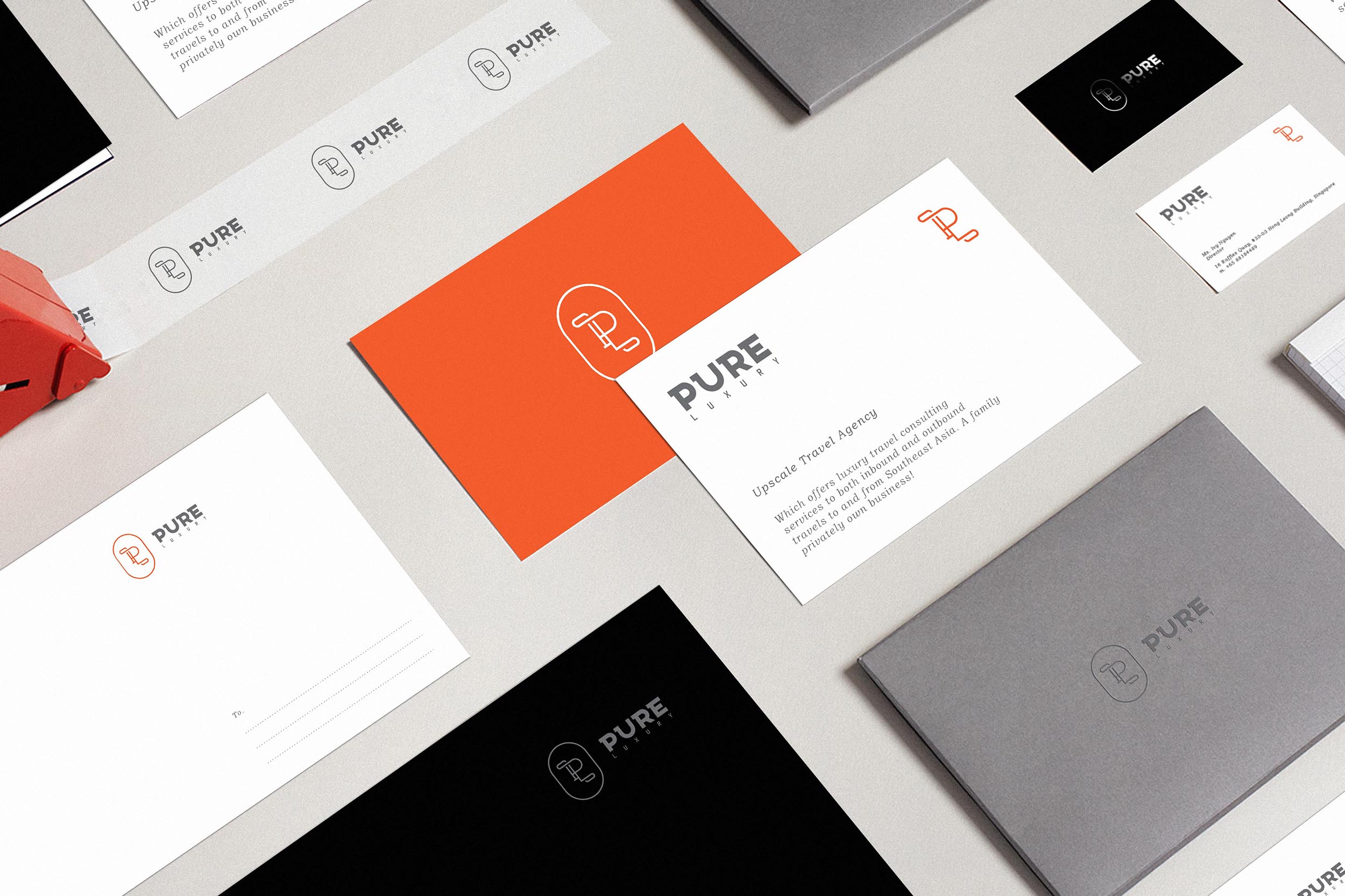
  • Brand Strategy & Identity Design – Develop a brand that exudes professionalism and trust.

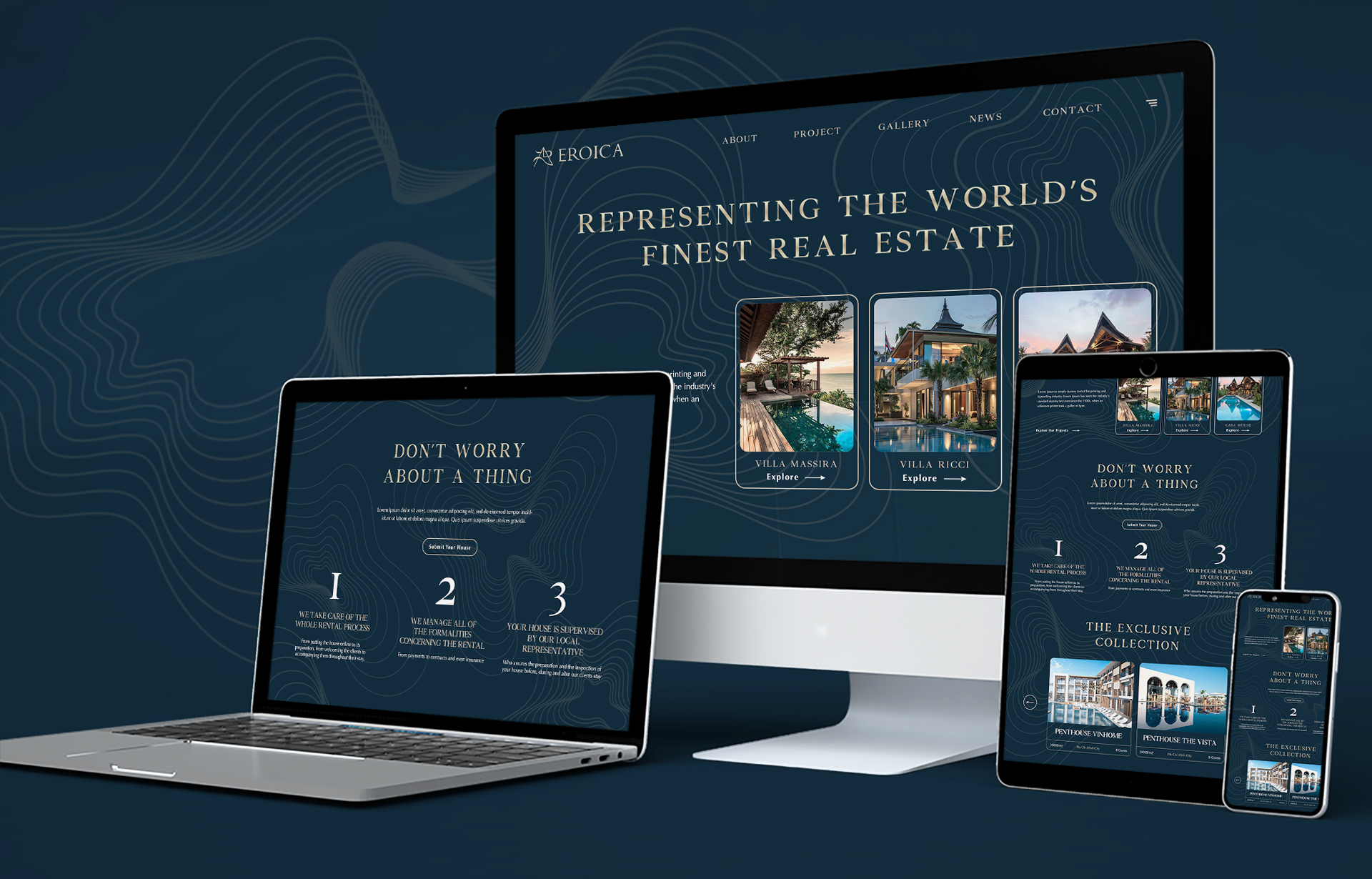
  • Website & Marketing Materials – Ensure your digital presence is as strong as your physical development.

A strong brand isn’t a luxury—it’s a necessity. Don’t let weak branding cost you sales. Let’s give your project the image it deserves.

Claim Your Free Brand Audit Today!

Want to know if your branding is holding you back? Get a free consultation with ATRIUM today. We’ll review your brand’s strengths and weaknesses and help you stand out in the competitive real estate market.
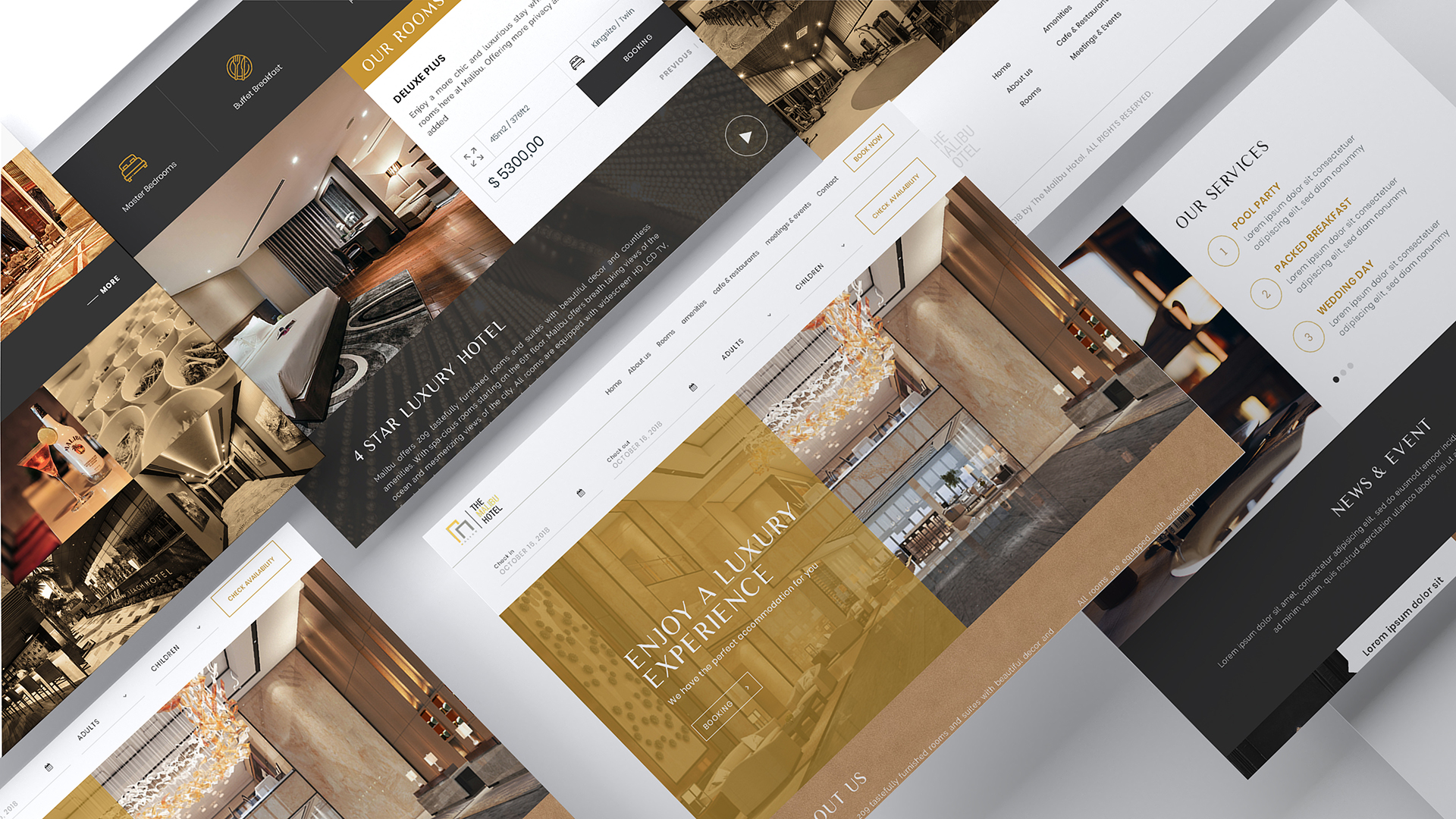
If your real estate project isn’t selling as expected, it may not be the location, pricing, or design—it could be your brand. Investing in branding isn’t just about looking good; it’s about building trust, increasing conversions, and making your project the obvious choice for buyers and investors.

Is your brand strong enough to sell your project? Let’s find out.

Why Traditional Renderings Still Matter (Even in a High-Tech World).

In a world buzzing with real-time rendering, AI-generated visuals, and interactive VR experiences, you might wonder: Are traditional still-image renderings becoming obsolete? The short answer—absolutely not.

Despite all the technological advancements, still-image renderings remain the gold standard for client presentations. Why? Because they provide unmatched clarity, emotional impact, and decision-making power. If you’re an architect, designer, or developer, investing in high-quality stills is still one of the most effective tools for winning over clients. Let’s break down why.

1. The Clarity of Traditional Renderings That Cuts Through the Noise

When presenting a project, clarity is everything. While interactive tools can be impressive, they often overwhelm clients who aren’t used to navigating 3D environments. Still renderings, on the other hand, offer a controlled, thoughtfully composed view that highlights the most important aspects of your design.

A single, well-crafted rendering can communicate:

  • Precise details – Every texture, material, and lighting choice is perfectly captured.

  • Intentional composition – No distractions—just the perfect angle to showcase your vision

  • Instant understanding – Clients don’t need to click, scroll, or rotate. The story is right in front of them.

Moreover, still renderings allow designers to present their projects in a way that ensures every element is considered. With full control over lighting, materials, and post-production editing, the final image delivers exactly the intended atmosphere and design intent, something that dynamic tools often struggle to achieve with consistency.

2. The Emotional Impact of a Single Frame

Great architecture and design are about more than just function—they evoke emotions. A beautifully lit, thoughtfully composed still rendering can create an immediate, visceral connection that immersive tools often struggle to replicate.

Why does this matter?

  • First impressions are powerful. The right rendering can make a client fall in love with a project instantly.

  • They create an emotional anchor. A compelling image sticks in the mind, reinforcing excitement and buy-in from clients, investors, or city planners.

  • They tell a story. A well-crafted rendering isn’t just a technical illustration—it’s an experience in itself.

Consider how a stunning sunset-lit exterior rendering can evoke warmth and serenity, or how a meticulously detailed interior shot can highlight the textures and ambiance of a space. These emotional cues can be critical in winning over stakeholders who rely on more than just technical specs to make decisions.

3. The Decision-Making Power of Stills

At the end of the day, architecture and real estate development are about making informed decisions. Still renderings simplify that process by providing a clear, tangible reference point.

  • Approvals move faster – Stakeholders can confidently sign off on a design without needing to “explore” a model.

  • Marketing is stronger – Whether in brochures, websites, or social media, still images make an immediate impact.

  • Budgets stay on track – Renderings help ensure alignment before construction begins, reducing costly changes later.

By removing the need for real-time interactions and complex navigation, still images allow for quick, effective decision-making. This is particularly useful in situations where clients or investors may not be technologically savvy but still need to understand the vision with absolute clarity.

4. A Practical, Accessible Tool

While real-time rendering and VR have their place, they often require high-powered devices and specialized knowledge. Still images are universal—anyone can open a rendering on their phone, tablet, or laptop and instantly grasp the vision.

For busy architects, designers, and developers, this accessibility means:

  • No technical barriers for clients – No software downloads or learning curves.

  • Easy integration into presentations – Whether in print or digital, stills fit seamlessly into any format.

  • Quick sharing – Send a single image via email, upload it to a website, or print it for a boardroom discussion.

Additionally, high-quality renderings are invaluable for securing project approvals from city officials, neighborhood groups, or investors who may not be as familiar with architectural plans. A well-presented rendering can be the difference between a project’s green light or a lengthy revision process.

5. Quality Over Quantity

With AI and real-time rendering, it’s easy to generate an endless stream of visuals. But quantity doesn’t equal quality. A few carefully crafted, high-quality renderings are often far more impactful than dozens of lower-quality, automated images.

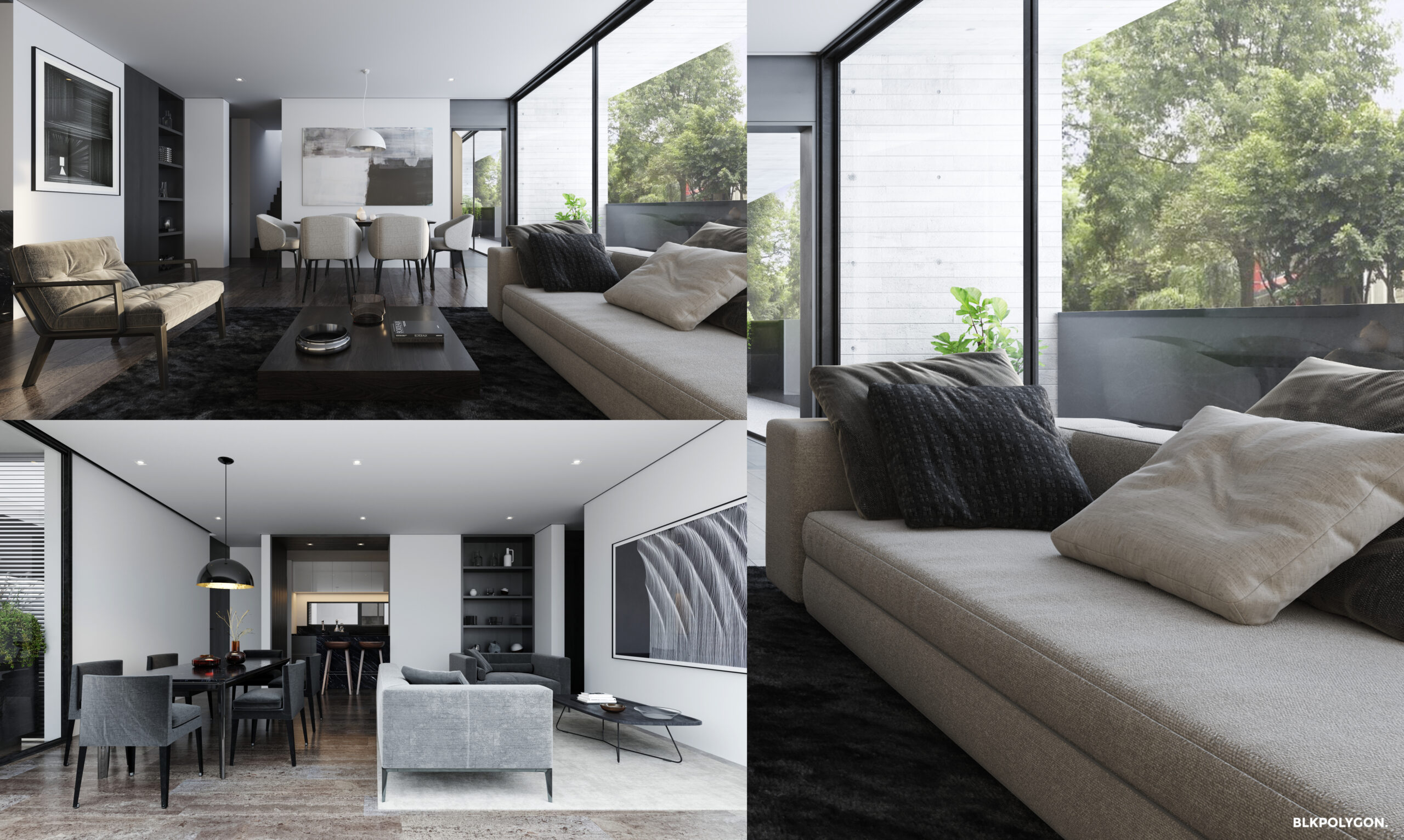
At ATRIUM, we focus on stunning, high-quality renderings that tell a story and help you win clients. Whether you need photorealistic interiors, striking exteriors, or atmospheric marketing visuals, our stills are designed to make an impact.

Every rendering we create is meticulously planned, with attention to:

  • Composition and framing – Ensuring the design is highlighted in the most compelling way.

  • Lighting and mood – Using lighting to enhance depth, realism, and emotion.

  • Material accuracy – Perfecting textures and materials to ensure the final built project matches expectations.

The Bottom Line

Technology will keep evolving, and that’s a good thing. But even in a high-tech world, traditional renderings continue to be the foundation of effective client communication. They provide clarity, emotional connection, and decision-making power—all in a format that’s accessible and practical.

So, if you’re wondering whether investing in high-quality still renderings is worth it, the answer is a resounding yes. They remain one of the best tools for getting approvals, securing clients, and bringing your vision to life.

Ready to elevate your presentations with stunning 3D renderings? Contact ATRIUM today to discuss your next project.

What is the price of a 3D render?

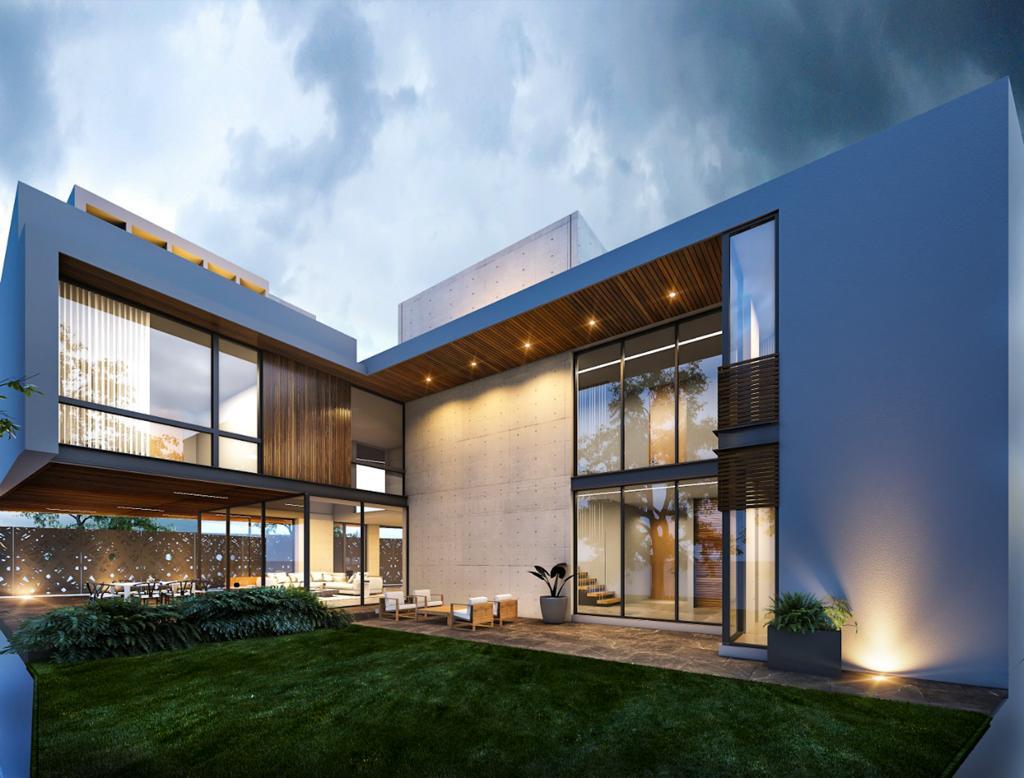
Determining the cost of 3D architectural visualization and rendering services can seem simple at first, but in reality, it depends on multiple factors. While pricing can range anywhere from $99 to $10,000, having a clear understanding of what influences these costs is crucial for effective budgeting.

At Atrium, we prioritize transparency. Whether you’re working with us or another provider, we want to equip you with the knowledge to make informed decisions. This guide breaks down key pricing factors, project timelines, revision policies, and ways to optimize your rendering investment.

Factors Influencing 3D Architectural Rendering Pricing

  1. Project Complexity: The more intricate a project, the more time and expertise it requires. Simpler designs cost less, while complex architectural models demand additional detailing, increasing overall pricing..

  2. Level of Detail and Realism: High-quality materials, lighting, and textures require more labor and computing power, which directly impacts cost.

  3. Number of Views or Angles: Each additional perspective necessitates extra setup and rendering time. Therefore, the more views you require, the higher the overall cost.

  4. Customization and Revisions: Bespoke details or multiple revision rounds can add to the total cost. A well-prepared brief helps minimize revisions and keeps expenses in check.

  5. Turnaround Time: Urgent projects may carry rush fees due to prioritized scheduling and extended work hours..

Average 3D Architectural Rendering Pricing Based on Project Scale

Understanding the typical cost ranges can aid in budgeting:

Simple Residential Projects:

  • Exterior Renderings: Approximately $400 per Plans under 3000 sqft.

  • Interior Renderings: Costing $300 for dining room, bathroom, hall and bedroom. You can get two views of the same room at $450.

Simple Commercial Projects:

  • Exterior Renderings: Estimated at $700.

  • Small commercial Interior Renderings: Costs $400 for Office, Rooms, etc.

Complex Residential Projects:

  • Exterior Renderings: Costing $500 for properties over 3000 sqft.

  • Interior Renderings:  Approximately $350 for Open Kitchen, Living Room, etc.

Get 2 views of the same room for $550

Complex Commercial Projects:

  • Exterior Renderings: Costing $900. Ask about our packages

  • Interior Renderings: Approximately $600.Modeling of furniture not included

How Project Timelines Affect Pricing

The Reality of Tight Deadlines

  • Resource Reallocation: Expedited projects require prioritization and additional resources.

  • Artist Compensation: Rush fees often apply due to overtime work and fast-tracked processes.

Standard vs. Rush Timelines

  • Standard: Simple projects take 1–2 weeks, while complex ones require 3–4 weeks.

  • Rush: Projects delivered in a few days involve higher costs due to increased workload.

Why Timelines Matter

  • Higher Quality: More time allows for refinements and better results.

  • Cost Efficiency: Avoiding rush fees saves money.

  • Smoother Workflow: Proper planning prevents last-minute stress and ensures a structured process.

Managing Revisions Effectively

Understanding Revision Policies

  • Included Revisions: Most standard pricing includes two rounds of revisions.

  • Additional Revisions: Extra changes beyond the agreed scope may incur added costs.

The Impact of Excessive Revisions

  • Artist Engagement: Frequent revisions can disrupt workflow and reduce efficiency.

  • Availability of Artists: Overloaded schedules may delay projects.

  • Client Collaboration: Clear communication helps avoid unnecessary revisions and keeps the process streamlined.

How to Optimize the Revision Process

  • Provide a Detailed Brief: A clear scope reduces miscommunication and costly changes.

  • Communicate Clearly: Timely, structured feedback ensures revisions are precise and effective.

  • Set Realistic Expectations: Understanding revision limits keeps projects on track.

Choosing the Right Output Size for Your 3D Renders

Resolution Options

  • 3K: Ideal for digital viewing and social media.

  • 4K: Suitable for client presentations and small print materials.

  • 6K: Best for large prints and close-up details.

  • 8K: Perfect for high-resolution marketing and billboards.

Why Higher Resolutions Cost More

  • Longer Rendering Time: Larger files require more computing power.

  • Processing Demands: High-res images need advanced software and hardware.

  • Render farm Usage: Large-scale rendering may involve external resources, increasing costs.

How Clients Can Minimize Costs in 3D Rendering Projects

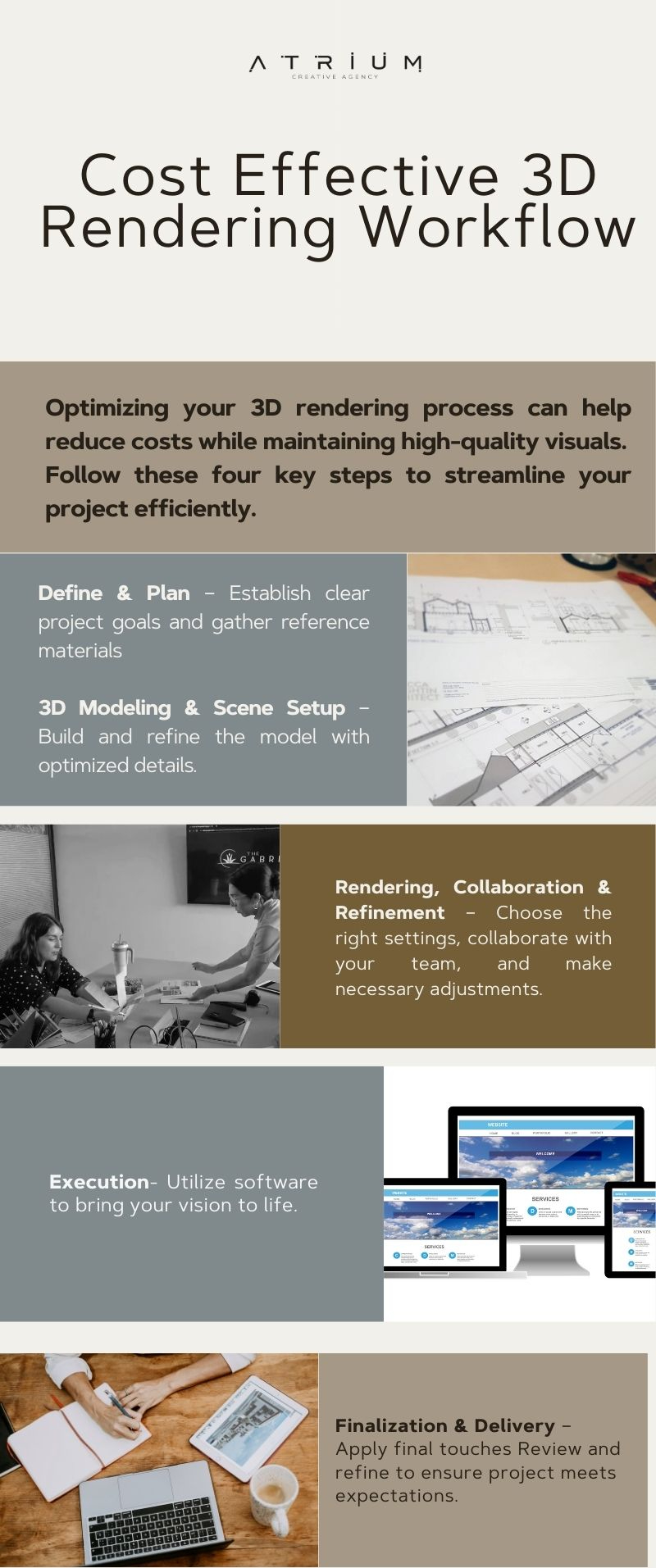
Keeping 3D rendering projects cost-effective is essential, especially when working within a set budget. At Atrium, we believe in maximizing value without compromising quality. By taking a strategic approach—defining clear project requirements, optimizing details, and streamlining collaboration—you can keep costs under control while still achieving exceptional results.

Define Your Project Scope

Overview: Clearly outlining your project’s scope and objectives from the start helps ensure an efficient workflow. A well-structured brief allows us to align with your vision early on, minimizing unexpected revisions.

Benefit: Saves time and resources by reducing back-and-forth adjustments.

Balance Detail Levels

Overview: The level of detail in your render impacts both cost and production time. While high-detail visuals enhance realism, they also require more resources.

Benefit: Finding the right balance helps maintain quality while keeping costs manageable.

Provide Comprehensive References

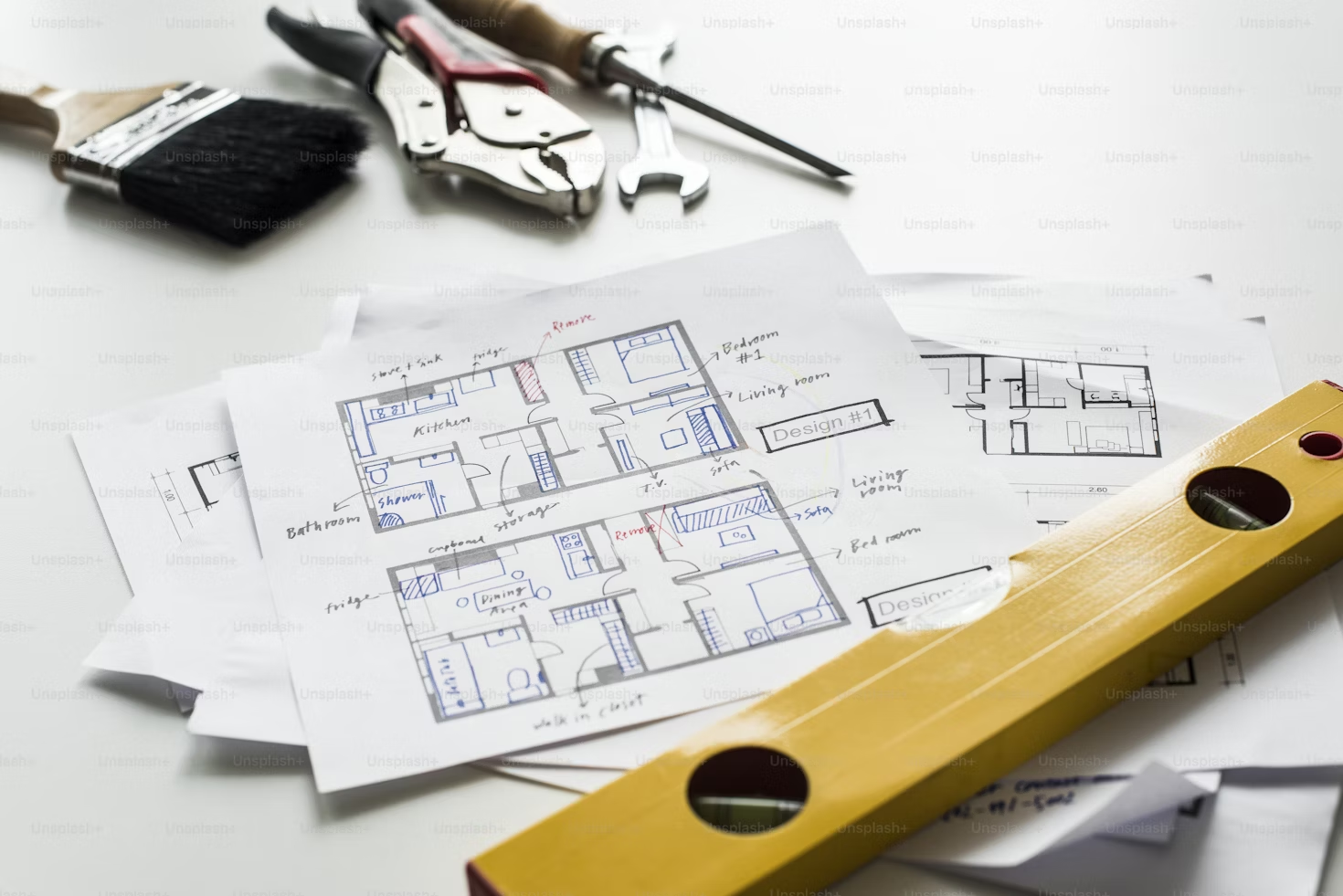
Overview: Supplying architectural drawings, 2D sketches, and material samples ensures that the rendering meets your expectations from the first draft.

Benefit: Reduces the need for revisions and streamlines the workflow.

Utilize Pre-Designed Assets

Overview: Incorporating existing 3D models and textures where possible speeds up production without compromising quality.

Benefit: Lowers costs by eliminating the need for custom-built assets.

Maintain Clear Communication

Overview: Staying engaged with your rendering team and providing timely, structured feedback helps keep the project moving smoothly.

Benefit: Prevents misunderstandings and minimizes unnecessary revisions.

Plan for an Efficient Timeline

Overview: Giving your project enough time for proper development ensures the best quality results without incurring rush fees.

Benefit: Keeps costs predictable and allows for a more refined final outcome.

Choose the Right Output Resolution

Overview: Selecting the appropriate resolution based on the intended use—whether for digital platforms, client presentations, or large-scale prints—optimizes both quality and efficiency.

Benefit: Helps manage rendering times and file sizes, reducing overall expenses.

Assess the Need for Animations

Overview: While animations and interactive elements add value, they also increase production time and costs. Determining whether they’re essential can help streamline your project.

Benefit: Focuses resources on what matters most, keeping the process efficient and cost-effective.

Hiring Options for 3D Renderings

Choosing the right professional is crucial:

  1. In-House Artists:

    • Pros: Consistent availability and close collaboration.

    • Cons: Fixed salaries (ranging from $2,000 to $4,000 monthly for mid-level artists) and ongoing investments in training and equipment.

  2. Freelancers:

    • Pros: Flexibility and typically lower costs.

    • Cons: Potential reliability issues, as freelancers may handle multiple clients simultaneously.

    • Typical Costs: From $300 for simple renders to $3,000 for complex projects.

  3. Studios:

    • Pros: Comprehensive services, including reliability and project management.

    • Cons: Higher costs, which can be substantial depending on the project’s scope.

    • Typical Costs: Starting from $700 for straightforward renders up to $10,000 for detailed, large-scale images.

How ATRIUM Calculates Your Project’s Cost

At ATRIUM, we tailor our pricing based on your project’s unique requirements. Our process includes:

  1. Assessing Project Scope: Understanding the size and complexity of your project.

  2. Determining the Desired Level of Detail: Establishing the realism and intricacy needed.

  3. Setting Timelines: Aligning with your schedule and any urgent deadlines.

  4. Establishing Revision Expectations: Agreeing on the number of revisions to ensure your vision is realized.

  5. Choosing Output Specifications: Deciding on the resolution and format that best suit your project’s purpose.

Key Strategies for a Seamless 3D Rendering Experience

To ensure a smooth and successful 3D rendering project, consider these best practices:

  • Outline Your Vision Clearly

    Begin by defining your goals. Whether for marketing, design planning, or client presentations, having a clear direction helps align expectations and results.

  • Select a Reliable 3D Rendering Partner

    Choose a provider with a strong portfolio and expertise in your specific type of project. A collaborative team will make the process more efficient and effective.

  • Optimize the Level of Detail

    Tailoring the detail to your project’s purpose can save time and costs. High-detail renderings may not always be necessary, so discuss the best approach with your rendering team.

  • Provide Complete Project Information

    Share architectural plans, reference images, and material specifications upfront. Clear documentation minimizes misunderstandings and ensures accurate results.

  • Maintain Consistent Communication

    Regular updates and feedback sessions help avoid major revisions later. Stay engaged throughout the process for a more seamless experience.

  • Consider Expert Input

    Leverage your rendering team’s expertise in lighting, materials, and visual storytelling. Their insights can enhance realism and overall impact.

  • Plan for Adjustments

    Refinements and iterations are natural in rendering projects. Budget time and resources for necessary tweaks to perfect the final output.
  • Track Progress and Milestones

    Set review points throughout the project to ensure everything is on track. Addressing any issues early prevents costly last-minute changes.

  • Foster a Collaborative Workflow

    A good working relationship with your rendering team results in better outcomes. A positive, solution-focused approach leads to creative and high-quality results.

Why Choose ATRIUM?

Partnering with ATRIUM offers:

  • Expertise: A team of seasoned professionals dedicated to bringing your vision to life.

  • Quality Assurance: Rigorous quality checks to ensure top-tier results.

  • Transparent Pricing: Clear and upfront quotes with no hidden fees.

  • Personalized Service: Tailored solutions that align with your project’s goals and budget.
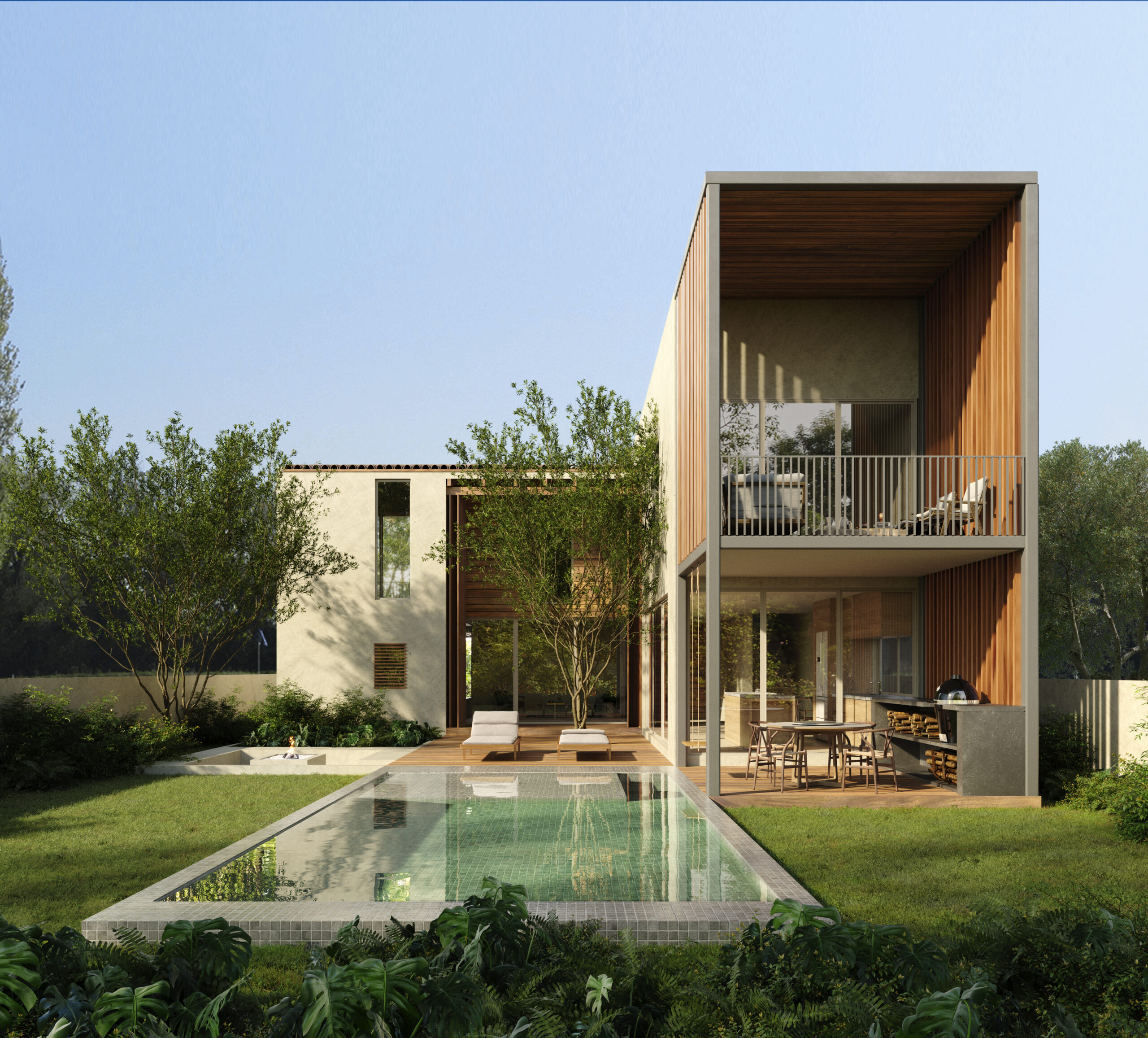
By understanding the factors that affect pricing, planning your project efficiently, and choosing the right service provider, you can optimize your 3D rendering investment. At Atrium, we’re here to bring your vision to life with stunning, high-quality visuals that make an impact.

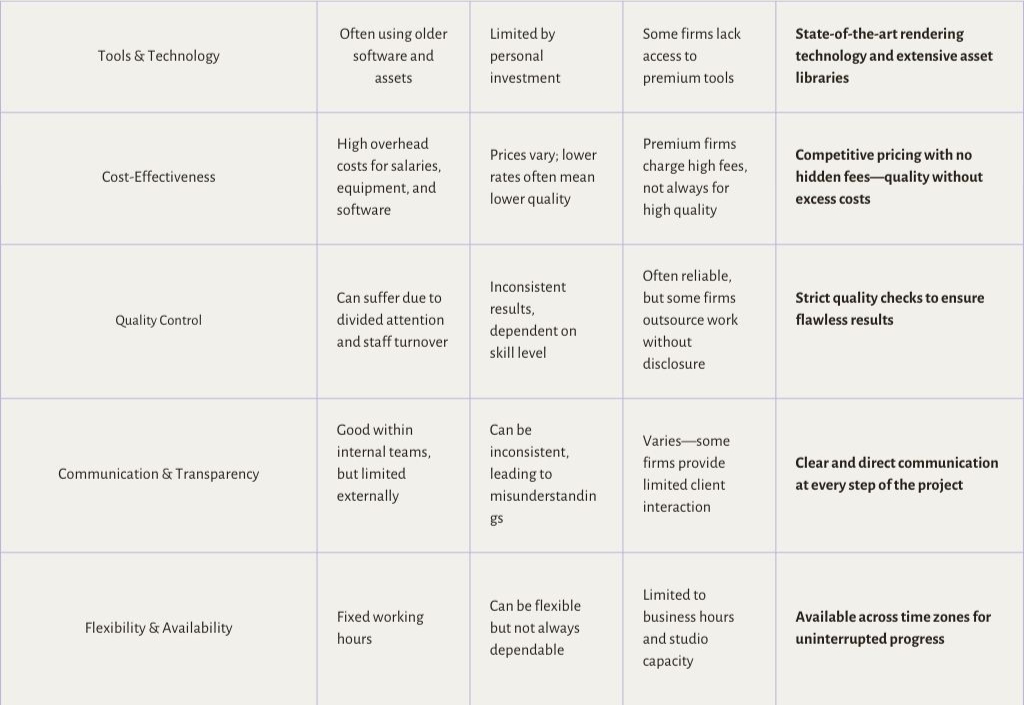
Why you should work with us instead of hiring an in-house 3d artist.

When it comes to 3D renderings, architects, designers, and real estate developers face a crucial decision: Should you hire an in-house 3D artist or collaborate with a specialized creative agency like ATRIUM? While having an in-house team might seem like the most straightforward option, outsourcing to an agency offers unparalleled flexibility, quality, and efficiency.

In this guide, we’ll compare In-House 3D Artist vs Atrium in terms of expertise, cost, scalability, and overall impact on your business. By the end, you’ll have a clear picture of which choice aligns best with your needs.

What is the best choice for you?

1. High Costs with Limited Flexibility

Hiring a full-time In-house 3D artist means committing to a salary, benefits, hardware, and software expenses. A quality artist can command $60,000–$90,000 per year, and that’s before factoring in additional costs like high-performance computers and rendering software subscriptions.

2. Limited Expertise

An in-house artist may excel in certain areas but might not have a diverse skill set. They often specialize in specific types of renderings and may struggle when faced with large-scale commercial developments or highly detailed interior visualizations.

3. Scalability Issues

Your workload fluctuates—some months are packed with projects, while others are quieter. An in-house 3D artist may not always have enough work to justify their salary, and during peak times, a single artist may struggle to meet deadlines.

4. Resource Constraints

Most design firms don’t have access to an extensive library of high-quality 3D assets, textures, or cutting-edge rendering software. This can limit the quality and realism of the final output.

5. Turnover and Commitment Concerns

The 3D industry is highly dynamic, and in-house 3D artists often move on to freelance or studio opportunities. High turnover rates lead to time-consuming hiring processes and potential disruptions in project timelines.

The Advantages of ATRIUM Creative Agency

1. Expertise Across Multiple Industries

We specialize in high-quality 3D renderings for a variety of projects, including residential, commercial, and interior design. We have collaborated on countless projects, bringing a wealth of experience to every visualization.

2. Cost-Effective Solution

Instead of committing to a full-time salary, you only pay for what you need. With us, there are no overhead costs like software licenses, training, or equipment—just exceptional visuals, delivered on time and within budget.

3. Scalability & On-Demand Service

We adapt to your workload. Need a single rendering for a small renovation project? Done. Have a large-scale development requiring multiple 3D views and 360° visualizations? We’ve got it covered—without the stress of hiring additional staff.

4. Access to Cutting-Edge Tools & Resources

We use industry-leading software, extensive material libraries, and the latest visualization techniques to ensure your renderings look as realistic and impactful as possible.

5. Reliable, High-Quality Results

Unlike in-house artists who may get bogged down with repetitive tasks, we bring fresh perspectives and top-tier quality control on every project. Plus, you don’t have to worry about sick days, vacation leaves, or talent turnover affecting your project timelines.

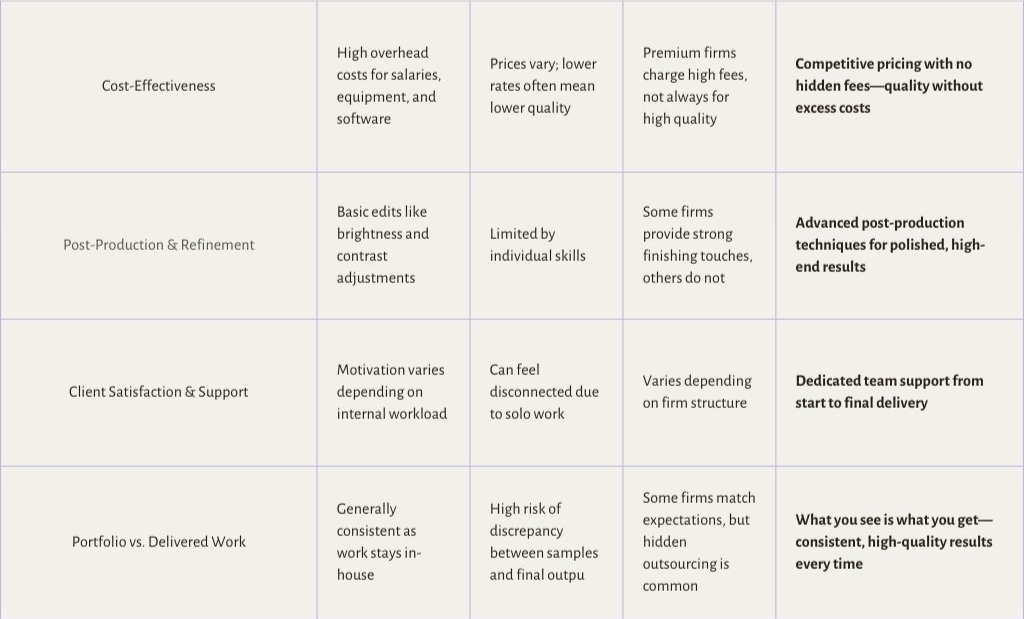
Side-by-Side Comparison

Why Architects, Designers, and Developers Choose us

  • Time-Saving: Free yourself from the hassle of managing an in-house artist and focus on what you do best—designing exceptional spaces.

  • Competitive Edge: Impress clients and stakeholders with high-quality, photorealistic visuals that tell a compelling story.

  • Stress-Free Process: Our structured workflow ensures seamless communication, revisions, and delivery, so you never have to worry about missed deadlines.

  • Tailored to Your Needs: Whether you need a one-time rendering or ongoing support, we customize our services to fit your unique project requirements.

While hiring an in-house 3D artist might seem like a convenient option, it often comes with high costs, limited expertise, and scalability issues. ATRIUM Creative Agency offers a more flexible, cost-effective, and high-quality solution, helping architects, designers, and developers bring their ideas to life with stunning visualizations.

Ready to transform your projects with top-tier 3D renderings? Contact us today and let’s bring your vision to life!

Interior Design Instagram Tips: Crafting an Irresistible Account

Welcome to the world of Instagram—a digital playground where stunning visuals reign supreme and businesses thrive on creativity. As an interior design aficionado, you understand the power of visuals in showcasing your talent and attracting clients. But mastering Instagram marketing? That’s a whole different ball game. Fear not! Armed with the right interior design Instagram tips, you can transform your account into a client magnet without breaking a sweat.

  1. Showcasing Your Expertise: Let Your Skills Shine

Your Instagram account is your digital portfolio—a window into your world of design. Use it to showcase your expertise and unique style. Share valuable content like design tips, industry insights, and behind-the-scenes glimpses of your creative process. Let your audience in on what sets you apart from the competition, whether it’s your commitment to sustainability or your signature design philosophy. After all, your story is what makes you stand out in a sea of competitors.

2. Crafting High-Quality Imagery: Picture-Perfect Posts

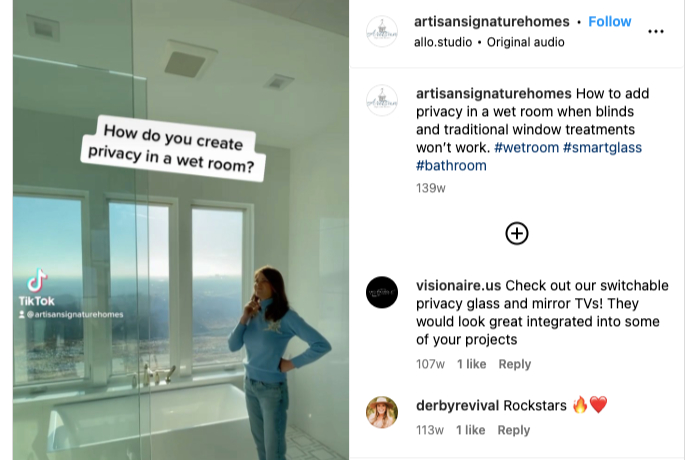
In the world of Instagram, quality is king. When it comes to showcasing your interior design projects, top-notch imagery is non-negotiable. Whether it’s a professionally shot photograph or a meticulously crafted 3D render, every post should be a visual masterpiece. Use before-and-after shots to highlight your transformative magic and showcase your versatility across different design styles. And if you’re lacking completed projects in a certain style, don’t fret! 3D rendering can help bring your concepts to life with photorealistic precision.

3. Interior Design Instagram Tips: Build Trust by Connecting Authentically

In a crowded digital landscape, trust is the currency of success. Build credibility by sharing glimpses of your authentic self and your design process. Go live to engage with your audience in real-time, offering insights, answering questions, and providing valuable design advice. By opening up and sharing your passion for design, you’ll forge meaningful connections and establish yourself as a trusted authority in your field.

4. Consistency is Key: Crafting a Cohesive Brand Identity

Your Instagram account is an extension of your brand—a visual representation of who you are and what you stand for. Maintain a consistent style across your posts, using cohesive colors, fonts, and layouts to create a unified aesthetic. Let your profile reflect the mood and vibe you want to evoke, whether it’s elegance and sophistication or warmth and coziness. And don’t forget to curate your Instagram highlights to showcase your best work and give viewers a peek behind the curtain.

5. Navigating the Algorithm: Playing by Instagram’s Rules

Ah, the infamous Instagram algorithm—a puzzle wrapped in a mystery inside an enigma. While it may seem like a daunting task, there are some tried-and-true strategies to boost your visibility. Post consistently to stay on the algorithm’s radar, and use relevant hashtags to expand your reach. Engage with your audience by responding to comments and direct messages, signaling to the algorithm that your content is worth prioritizing.

6. Harnessing the Power of Videos: Bringing Your Designs to Life

In a visual platform like Instagram, videos are a game-changer. Embrace the trend by incorporating videos into your content strategy, whether it’s design tutorials, behind-the-scenes footage, or captivating 3D animations. Use Reels and Stories to showcase your personality and design process, offering your audience a glimpse into your world. And don’t be afraid to get creative—after all, storytelling is at the heart of great design.

7. Maximizing Instagram Features: Leveraging the Tools at Your Disposal

Instagram is constantly evolving, introducing new features and functions to keep users engaged. Make the most of these tools by creating diverse stories with interactive elements like polls, quizzes, and calls to action. Utilize carousels to showcase multiple views of your designs or alternative design options. And don’t overlook the power of user-generated content—encourage your followers to use your branded hashtag and share their experiences with your brand.

8. Investing in Paid Ads: Boosting Your Reach

While organic reach is valuable, paid advertisements can give your brand a significant boost. Tailor your content to your target audience and experiment with ad settings to find what works best for you. And remember, consistency is key—investing in paid promotions regularly can help keep your brand top-of-mind for potential clients.

xr:d:DAFrh_av-mY:4,j:3823955786554543330,t:23081415

9. Engaging with Your Audience: Building Meaningful Connections

Last but not least, don’t forget to engage with your audience on a personal level. Include calls to action in your captions, respond to comments and messages, and encourage user-generated content with branded hashtags. By fostering a sense of community and connection, you’ll turn followers into loyal fans and brand advocates.

As you can see, mastering Instagram marketing doesn’t have to be rocket science. With a little creativity, consistency, and strategic thinking, you can transform your account into a powerful business tool. And if you ever need help bringing your design visions to life, remember that Creative Atrium is here to help. Contact us today to learn more about our interior 3D visualization services and take your Instagram game to the next level!

Ready to elevate your Instagram game? Contact us at Creative Atrium to transform your design visions into captivating visuals that stop scrollers in their tracks. Let’s make your Instagram account a client magnet!

SEO for Architects: How to get more visitors to your site?

In today’s digital landscape, optimizing your website for SEO is paramount to ensure your architectural firm stands out in a crowded market. Gone are the days of keyword stuffing; now, it’s all about creating valuable, human-centered content that resonates with your audience. As experts in the field, we understand the importance of marrying user experience with SEO best practices to drive traffic and attract clients. Here are ten essential tips to help you increase your firm’s website visibility and reach new heights in the digital realm.

1. Choose Keywords Wisely: Unlocking the Power of Search

Keywords are the cornerstone of any successful SEO strategy. Start by defining the services your firm offers and conducting thorough keyword research to identify relevant terms and phrases. Embrace both long-tail and short-tail keywords to capture a diverse range of search queries. Remember, specificity is key—focus on keywords that directly align with your expertise and target audience’s search intent.

Pro Tip: Incorporate primary keywords into meta tags to enhance visibility and relevance.

2. Diversify Landing Pages: Tailoring Your Content for Every Audience

Create dedicated landing pages for each service your firm provides to cater to different audience segments effectively. Whether it’s residential, commercial, or industrial architecture, each landing page should offer unique value and address specific search queries. By optimizing landing pages for targeted keywords, you can increase organic traffic and improve SEO rankings.

3. Maintain a Blog: Engaging and Educating Your Audience-an Essential SEO Tip for Architects

A well-maintained blog is a powerful tool for attracting and engaging potential clients. Use it to address common pain points, answer frequently asked questions, and showcase your expertise. Conduct keyword research to inform your content strategy and ensure your blog posts align with your firm’s services and areas of specialization.

Pro Tip: Regularly update and optimize old blog posts to improve search visibility and relevance.

4. Use High-Quality Visuals: Captivating Your Audience with Compelling Imagery

Visuals play a crucial role in capturing users’ attention and conveying your firm’s design prowess. Invest in high-quality photography, videos, and 3D visualization to showcase your portfolio in the best possible light. Don’t forget to optimize images with relevant keywords and descriptive alt text to improve SEO visibility in image search results.

5. Increase Your Website Speed: Enhancing User Experience and Search Rankings

A fast-loading website is essential for both user satisfaction and search engine rankings. Optimize images and multimedia files to reduce file sizes and minimize page load times. Implement caching mechanisms and avoid excessive redirects to streamline the browsing experience for your visitors.

6. Ensure Your Website Is Adaptable: Embracing Mobile Responsiveness

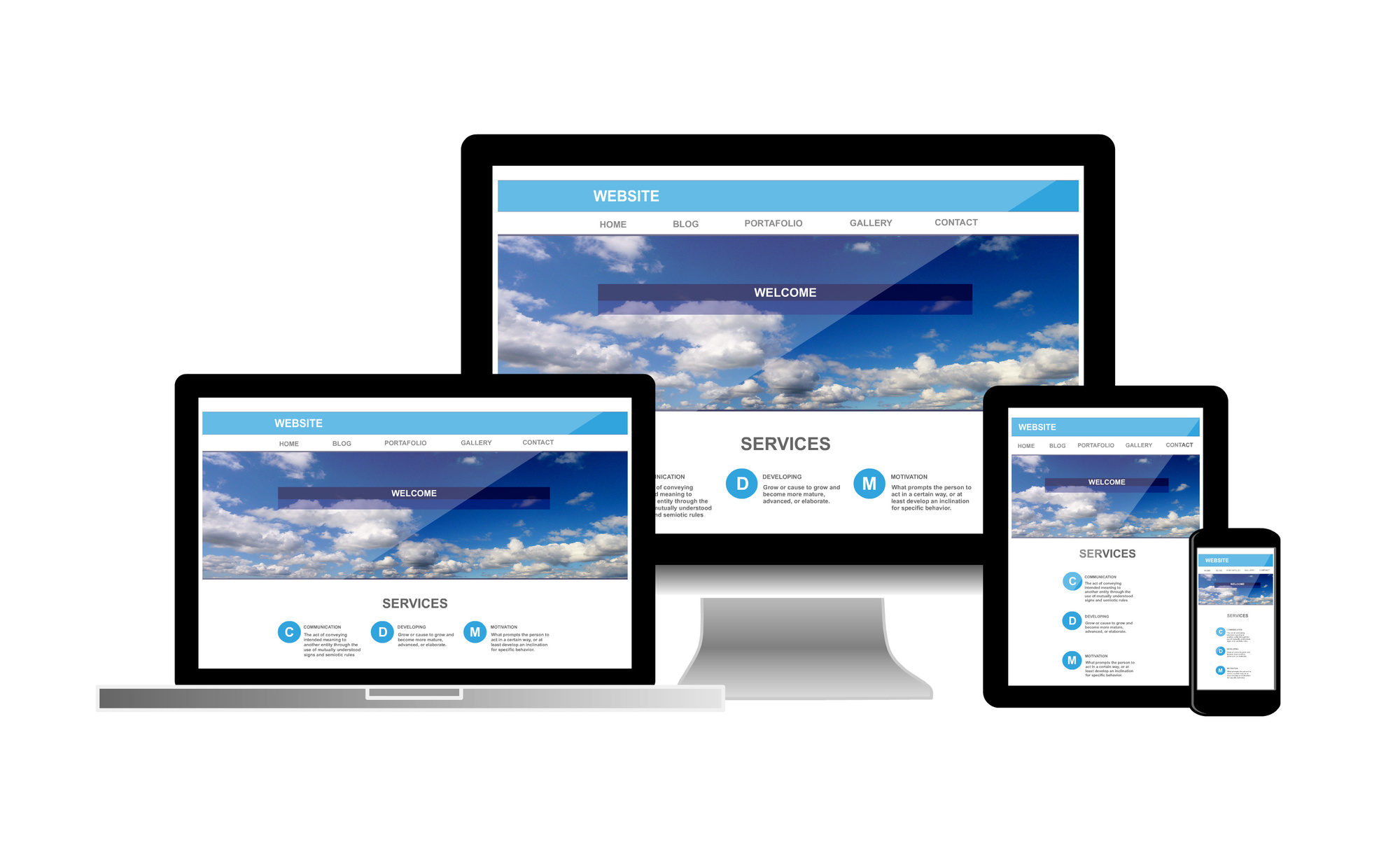
With an increasing number of users accessing the internet via mobile devices, it’s imperative to ensure your website is mobile-friendly. Responsive design ensures a seamless browsing experience across all devices, improving engagement and SEO rankings.


7. Use External Links: Building Authority and Credibility

External links from reputable sources can significantly impact your firm’s search engine rankings. Seek opportunities to collaborate with industry publications and authoritative websites to earn backlinks to your site and also gain SEO tips for architects. Prioritize quality over quantity and focus on securing links from relevant, trustworthy sources.

8. Engage Experts: Leveraging Influencers and Thought Leaders

Collaborating with industry experts and influencers can enhance your firm’s credibility and visibility online. Feature guest contributors on your blog and seek opportunities to contribute content to external publications. By associating your brand with reputable professionals, you can attract new audiences and strengthen your online presence.

9. Track SEO Metrics: Monitoring Performance and Optimization Opportunities

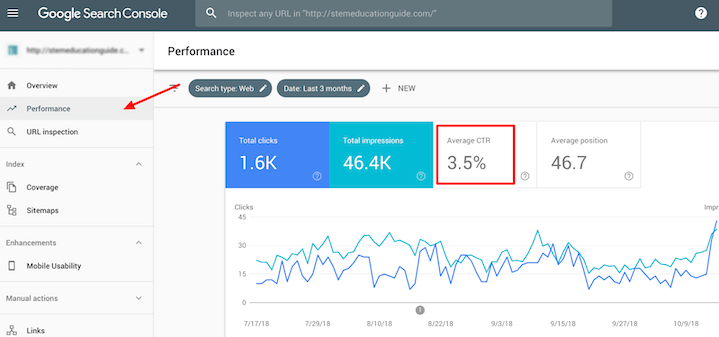
Utilize tools like Google Search Console and Google Analytics to track key SEO metrics and monitor your website’s performance. Keep a close eye on keyword rankings, organic traffic, and user engagement metrics to identify areas for improvement and optimization.

10. Don’t Neglect PR: Amplifying Your Brand’s Reach and Recognition

Public relations efforts can complement your SEO strategy by increasing brand awareness and generating valuable backlinks. Publish expert articles on industry platforms, participate in speaking engagements and events, and cultivate relationships with media outlets to enhance your firm’s visibility and reputation.

Pro Tip: Monitor branded search queries to gauge user interest and adjust your PR efforts accordingly.

Incorporating these SEO tips into your architectural firm’s digital marketing strategy can yield significant results in terms of visibility, traffic, and client acquisition. Remember, SEO is an ongoing process that requires continuous optimization and adaptation to changes in search algorithms and user behavior. By staying informed, proactive, and creative, you can position your firm for success in the digital age.

Ready to elevate your architectural firm’s online presence? Contact us today to learn more about our architecture rendering services and discover how we can help you create stunning visuals that resonate with your audience and drive results. Let’s help you to transform your website into a powerful marketing tool that sets you apart from the competition!

Real Estate Outdoor Advertising: Enhancing Your Property Promotion

In the ever-evolving landscape of real estate marketing, outdoor advertising continues to play a pivotal role in captivating potential buyers and driving property sales. While digital technologies have revolutionized the industry, the physical presence of billboards and signs remains a potent tool for reaching audiences where they live, work, and play. As experts in architectural rendering, we understand the nuances of outdoor advertising and how it can be optimized to maximize impact and attract new clients. Here are five essential tips to elevate your real estate outdoor advertising campaigns and stand out in a competitive market.

1. Strategic Placement for Maximum Impact

The success of outdoor advertising hinges on one critical factor: location. Identifying high-traffic areas frequented by your target audience is essential for ensuring maximum visibility and engagement. Rather than blanket advertising across generic locations, focus on strategic placement near venues and neighborhoods relevant to your property offerings.

2. Concise Messaging for Instant Connection

In a world inundated with information, brevity is key to capturing attention and conveying your message effectively. Keep outdoor advertising copy short, sweet, and to the point, allowing visuals to take center stage. Craft compelling phrases that tap into the aspirations and desires of your target audience, compelling them to learn more.

3. Harness the Power of 3D Visualization

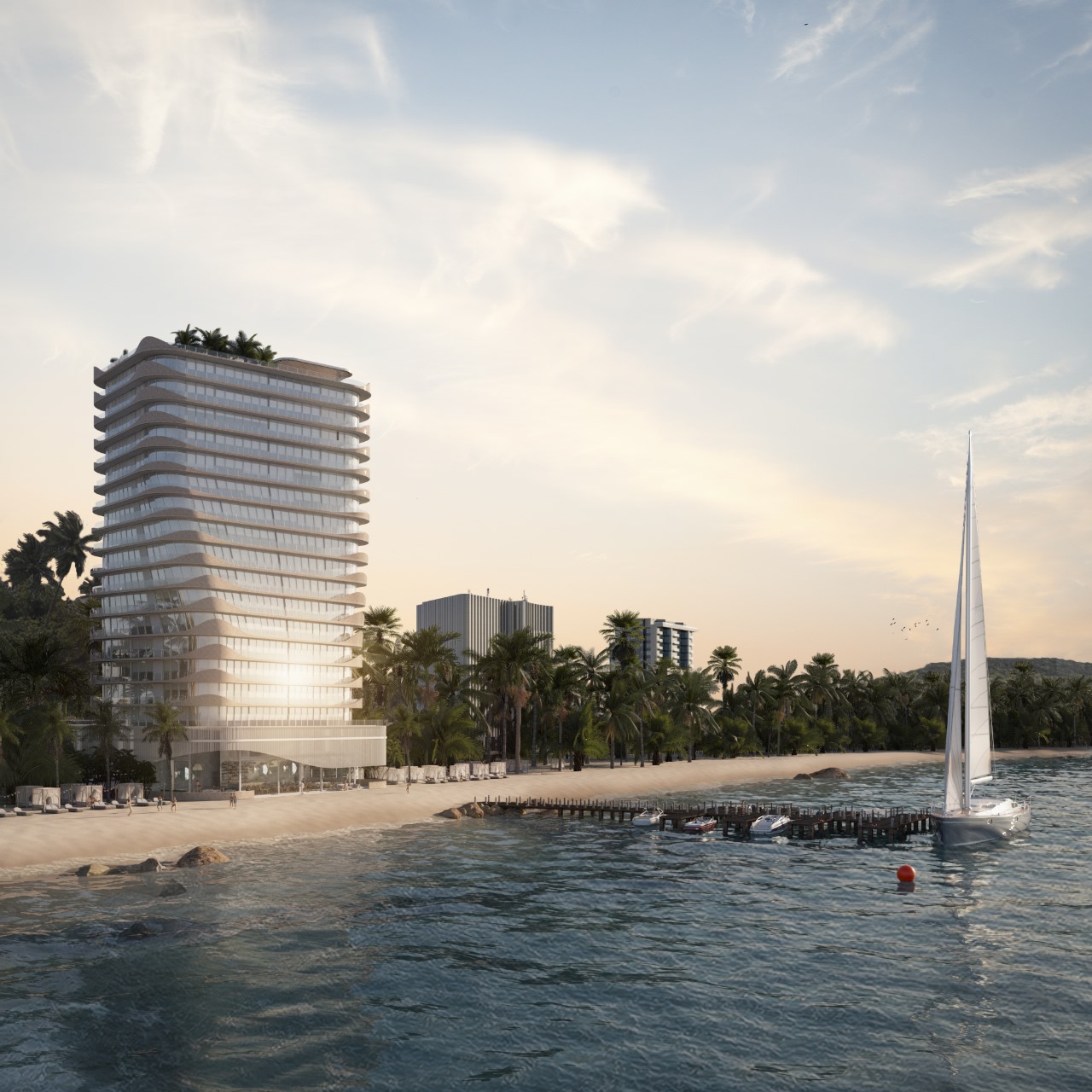
For properties still in development, leveraging 3D rendering is a game-changer in outdoor advertising. Renderings offer a lifelike portrayal of future projects, allowing potential buyers to visualize themselves in the space long before construction is complete. From luxurious estates to modern apartment complexes, 3D visuals captivate audiences and showcase the full potential of your properties.

When The Park View, a 63-apartment residential development in Punta Cana Village, was ready to hit the market, the team needed visuals that could capture its unique appeal and help potential buyers envision their future homes. That’s where our 3D renderings came in.

We created photorealistic visuals that highlighted everything The Park View had to offer—stunning views of the central park, lush open spaces, and resort-like amenities such as the pool terrace, rooftop lounge, and panoramic elevators.

These renderings became the centerpiece of the project’s marketing efforts, featured across websites, flyers, and advertising campaigns. By showcasing the development’s lifestyle in vivid detail, the images didn’t just inform—they evoked a feeling. Prospective buyers could imagine themselves living there, enjoying the tropical breeze, or relaxing by the pool, all before construction even began.

The result? A marketing campaign that stood out in a competitive market, helping generate buzz and driving inquiries that turned into sales. Our renderings transformed The Park View from an idea into an irresistible reality for future residents.

4. Focus on Lifestyle Enhancement

Beyond architectural features, successful outdoor advertising emphasizes how a property can enhance the lives of potential buyers. Tailor messaging to address the specific needs and desires of your target demographic, highlighting the lifestyle benefits and unique selling points of each property. Whether it’s urban convenience, suburban serenity, or coastal luxury, speak directly to the aspirations of your audience.

5. Cultivate Brand Recognition and Consistency

Building a strong brand identity is essential for long-term success in outdoor advertising. Develop a cohesive visual style, incorporating logos, fonts, and color schemes that are instantly recognizable and synonymous with your brand. Consistency across all advertising channels fosters trust and familiarity, ensuring your brand remains top of mind for potential buyers.

In conclusion, real estate outdoor advertising offers a powerful avenue for connecting with potential buyers and showcasing your property portfolio. By strategically placing ads, crafting concise messaging, leveraging 3D visualization, focusing on lifestyle enhancement, and cultivating brand recognition, you can create impactful campaigns that resonate with your audience and drive tangible results.

Ready to elevate your outdoor advertising strategy and attract more clients? Contact ATRIUM today to explore our architectural rendering services and bring your property promotions to life! Let us help you create compelling visuals that capture attention, spark imagination, and inspire action. Together, we’ll take your real estate marketing to new heights!

How 3D Renderings Secure Investor Confidence in Real Estate Development

Discover how 3D renderings secure investor confidence in real estate development. Stunning visuals bridge ideas to reality, inspiring trust and excitement.

In real estate development, gaining investor confidence is vital. Whether it’s a new luxury high-rise or a commercial complex, investors want assurance that their money is going into a well-thought-out project. Enter 3D renderings: the secret weapon that helps developers not only communicate their vision but also build confidence and secure buy-in from stakeholders.


Why 3D Renderings Are Key to Building Investor Confidence in Real Estate Development


Investors are often faced with making decisions based on blueprints, data, and abstract concepts. This can lead to hesitation and uncertainty. By using 3D renderings, developers bridge the gap between the abstract and the tangible, giving investors a clear picture of what they’re putting their money into.

Key Benefits:

  • Clarity: Complex designs are simplified into visuals anyone can understand.

  • Emotional Connection: Stunning visuals create excitement and anticipation.

  • Informed Decisions: Investors can see the full scope of the project, reducing doubt.


Ready to showcase your project in the best light?

Contact Us

How 3D Renderings In Real Estate Development Create Impact

1. Visualizing the Final Product with 3D Renderings

Blueprints and technical drawings can be overwhelming for non-experts. 3D renderings transform these into lifelike images, allowing investors to see:
  • Exterior Designs: How the building will integrate with its surroundings.

  • Interior Spaces: Layouts, finishes, and lighting effects.

  • Amenities: Pools, lounges, gyms, and other features.


Pro Tip: Use 360° renderings or virtual walkthroughs to immerse investors in the space.


2. Highlighting Unique Selling Points (USPs) with 3D Renderings

Every real estate development project has unique features—whether it’s eco-friendly architecture, luxury amenities, or prime location. 3D renderings emphasize these selling points by showcasing:
  • Sleek, modern designs.

  • Green spaces and sustainable elements.

  • Location advantages like proximity to transport hubs or scenic views.


3. Building Emotional Engagement with 3D Renderings in Real Estate Development
High-quality visuals do more than inform; they inspire. Investors who can visualize themselves in the space—whether it’s a bustling commercial plaza or a serene residential community—are more likely to feel connected to the project.
Quick Tip: Pair 3D renderings with storytelling. Describe how the project will enhance lives and communities.


Ready to impress your investors?

Contact ATRIUM today


Case Study: How 3D Renderings Increased Investor Confidence and Secured Project Funding

 ATRIUM collaborated with a luxury hotel developer to bring an ambitious real estate development project to life using photorealistic 3D renderings to boost investor confidence. These visuals highlighted the hotel’s stunning architectural design, world-class amenities, and overall grandeur, offering investors a clear and immersive preview of the finished project. By transforming abstract concepts into a tangible, compelling vision, ATRIUM helped the development team boost investor confidence and secure funding—well before construction began. Through the power of 3D renderings, the hotel team turned concepts into commitments, inspiring trust in investors and securing the funding needed to bring their dream real estate development to life
 

Why Choose ATRIUM for High Quality 3D Renderings in Real Estate Development?

 At ATRIUM, we specialize in turning architectural visions into stunning visuals that inspire investor confidence and drive decisions. Here’s what sets us apart:
  • High-Quality Renderings: Realistic, detail-oriented visuals tailored to your project’s needs.

  • Timely Delivery: Efficient workflows to meet tight deadlines.

  • Collaborative Approach: We work closely with you to ensure every detail reflects your vision.


Show investors the future—let’s create stunning 3D visuals for your project!

Get Started


Final Thoughts

3D renderings are more than just visuals; they’re a tool for building trust and excitement. By helping investors see the full potential of a project, they make it easier to secure funding and move forward with confidence. If you’re ready to elevate your real estate development presentations, ATRIUM is here to help..

 
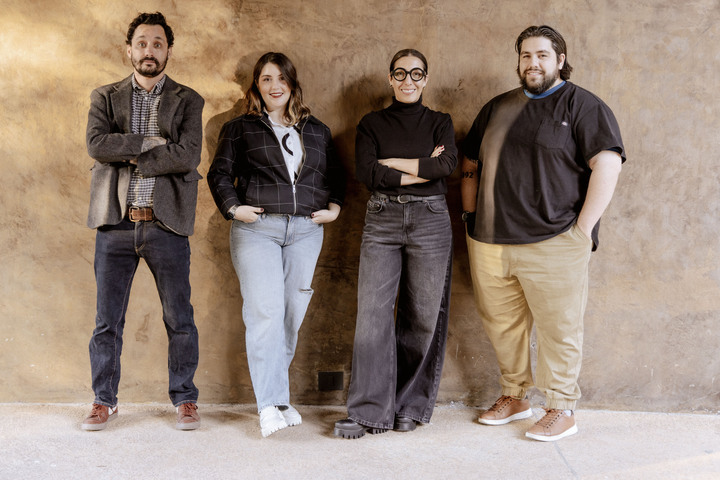
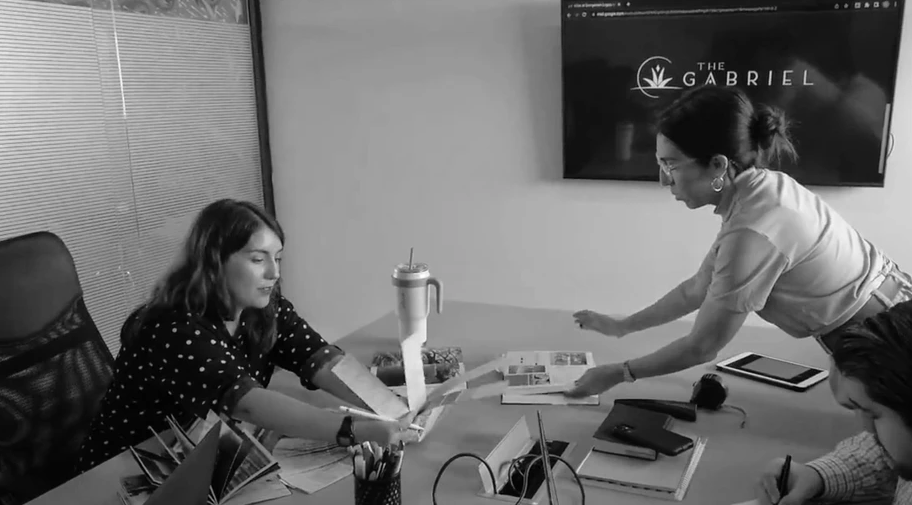
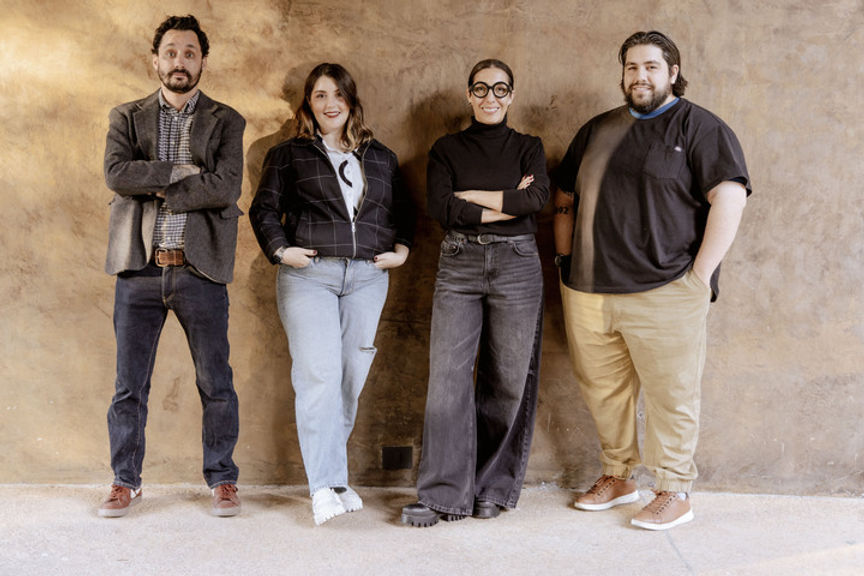
The ATRIUM team collaborating on 3D renderings to enhance investor confidence and support successful real estate development projects.
 

Got a project in mind? Let’s bring it to life with visuals that wow your investors and set your development apart. Reach out to ATRIUM today!

6 Steps to Build a Personal Brand for Architects

Discover 6 actionable steps to build a strong personal brand as an architect. Learn how to stand out, connect with clients, and grow your business with confidence.

As an architect, your personal brand is more than just a logo or website; it’s the story you tell and the reputation you build. It helps clients see your unique value, expertise, and creativity. Here’s how you can craft a personal brand that sets you apart and attracts the right clients.


Step 1: Define Your Unique Value

Before you start designing a logo or updating your portfolio, ask yourself:

  • What makes my approach to architecture unique?

  • What values guide my work?

  • What types of projects do I love working on?

By answering these questions, you’ll uncover the core of your personal brand. For example, if sustainable design is your passion, make it a central theme. Your brand should reflect who you are and what you stand for.


Step 2: Showcase Your Expertise Online For Personal Branding as an Architect

A strong online presence is essential for today’s architects. Start by creating or updating your website with:

  • A Professional Portfolio to Boost Your Architectural Personal Branding: Highlight your best projects with high-quality visuals and descriptions.

  • Case Studies: Share the story behind your designs, including challenges and solutions.

  • A Blog or Resource Section: Write about topics your ideal clients care about, such as sustainable materials or home design tips.

Additionally, optimize your site for search engines (SEO) by using keywords like “modern residential design.”

Want help creating a stunning brand for your architecture firm?

Step 3: Build a Strong Visual Identity for Personal Branding

Your brand’s visual elements should communicate your style and professionalism. Focus on:

  • A Memorable Logo: Choose a design that reflects your architectural style.

  • Consistent Colors and Fonts for your personal branding: Use modern, neutral tones and professional typography.

  • Templates for Presentations and Social Media: Keep your branding consistent across all platforms.

Tip: Don’t overcomplicate it—clean and simple designs often resonate best.

Step 4: Leverage Social Media

Social media is a powerful tool for showcasing your work and connecting with potential clients. Focus on platforms like Instagram and LinkedIn:
  • Instagram: Share high-quality images and behind-the-scenes stories of your projects.

  • LinkedIn: Network with industry professionals and share thought leadership posts.

  • Hashtags: Use relevant hashtags like #ArchitectLife, #SustainableDesign, or #ModernArchitecture to reach your audience.

Don’t have time to handle social media content yourself? Let us take care of it! Let’s Talk

Step 5: Network and Collaborate

Building relationships is crucial for growing your personal brand. Attend industry events, join architectural organizations, or collaborate with other professionals like interior designers or developers. Don’t forget to:
  • Bring branded business cards.

  • Share your website or social media profiles.

  • Follow up with personalized emails after meeting new contacts.

Project Spotlight: L’Agence Branding

We recently partnered with L’ Agence in California to refresh their brand and elevate their presence. The project included:

  • A visual identity overhaul to align with their unique vision.

  • An updated social media strategy for greater online impact.

  • Comprehensive branding assets to showcase their work consistently.

Beyond the visuals, we created tools their company could use to elevate the client experience, including:

  • Client journey guides to streamline project communication.

  • Handover package designs for professional project deliveries.

  • Inspection checklists and manuals for clarity during handovers.

  • Branded templates and visual aids to present projects seamlessly.

  • A welcome guide to set expectations and impress new clients.

     
See the full transformation in this quick video, and discover how clear, thoughtful branding can help your firm shine.

Step 6: Stay Consistent

Consistency is the key to a successful personal brand. Make sure all your branding elements, from your website to social media, align with your style and messaging. Review your materials regularly and update them as your brand evolves.
Quick Tip: Set a monthly reminder to check your online profiles, portfolio, and social media content for consistency.

Free Social Media Templates – Yours to Customize

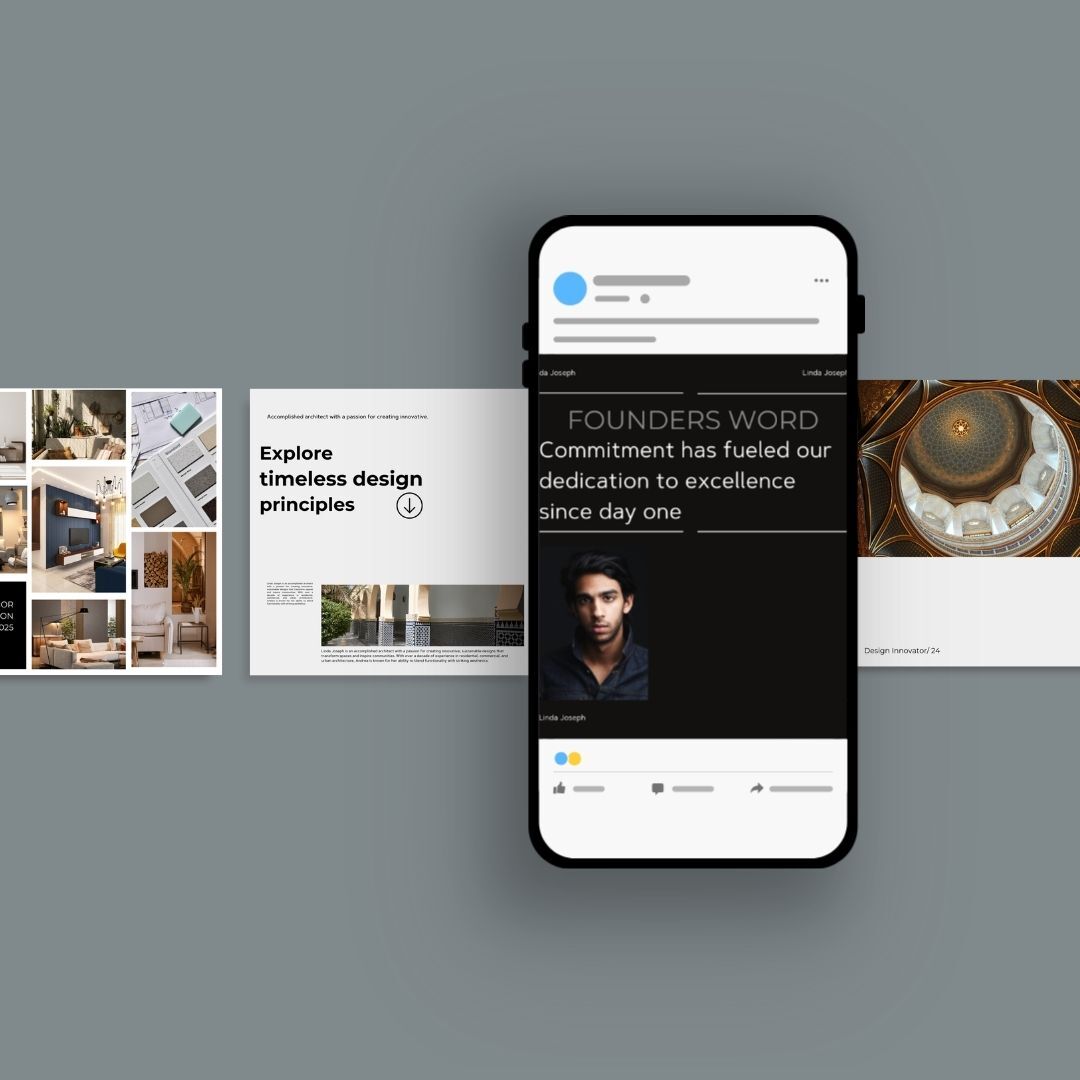
We’ve created these fully editable templates to make your social media posting easier and more effective! Perfect for showcasing your projects, sharing client testimonials, or posting valuable insights for your audience.

Here’s what makes them special:

  • Easy-to-use in Canva—no design skills required!

  • Fully customizable fonts, colors, and images to match your brand.

  • Templates designed for Instagram and LinkedIn.

Download our free templates and streamline your social media today!Download Now

Final Thoughts

Building a personal brand as an architect takes time and effort, but it’s worth it. By defining your unique value, showcasing your expertise, and staying consistent, you’ll create a brand that reflects your passion and attracts the right clients.
Whether you need help managing your social media, creating a cohesive visual identity, or developing branded materials that leave an impression, ATRIUM is here to help. Contact us today to elevate your brand!